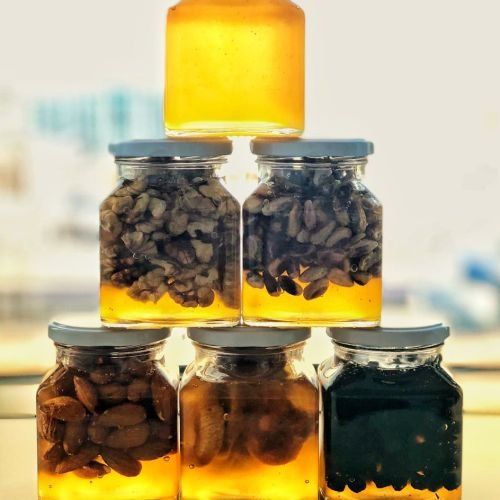
North Texas Allergies? Here’s Why Local Honey is Your Best Defense
North Texas residents face severe seasonal allergies from cedar, oak, and ragweed. Learn why consuming truly local raw honey from trusted apiaries like Crooked Creek Honey Farm and Warne Bee Farms can help your body adapt to regional allergens and breathe easier.
December 23, 2025 •
14 min read
## The Northern Star of Allergy Relief: How North Texas Local Honey Can Help You Breathe Easier
North Texas is a region of rich and varied landscapes—from the pine woods that stretch eastward to the gentle undulations of the Hill Country. But along with this natural splendor comes a familiar seasonal headache for many residents: allergies. Come spring, the air fills with pollen from cedar, oak, ragweed, and grasses, turning everyday outdoor moments into battles with sneezing, itchy eyes, and nasal congestion.
Traditional remedies — antihistamines, nasal sprays, decongestants — offer symptom relief but don’t tackle the immune system’s hypersensitivity to local allergens. That’s where local raw honey enters the picture. Unlike generic honey shipped from afar, true North Texas honey is a byproduct of bees gathering nectar and pollen from the very plants that fuel your seasonal misery. This unique relationship between bee forage and your immune system holds the promise of natural adaptation over time.
In the sections that follow, we’ll break down why North Texas allergies are so challenging, explore what truly makes honey local and beneficial, and spotlight trusted regional honey producers like Crooked Creek Honey Farm and Warne Bee Farms. Understanding these elements empowers you to take an educated approach to managing allergies in harmony with nature.
## The Allergy Landscape of North Texas: A Seasonal Overview
Dealing with allergies here means confronting some of the most potent regional allergens in the country. North Texas has a distinct pollen spectrum that impacts residents differently than elsewhere.
Key players include:
- **Cedar:** This is the region’s notorious season starter. Cedar pollen is exceptionally pervasive because it travels far on the wind and triggers intense immune reactions in sensitive people.
- **Oak:** An abundant local tree, oak releases massive amounts of pollen in spring. It’s often blamed for the “spring slump” when allergy symptoms hit their stride.
- **Ragweed:** Dominating late summer and fall, ragweed can hammer the immune system hard, causing relentless sneezing and congestion.
- **Grass Pollens:** With lawns and open fields all over North Texas, grass pollen provides a steady flow of allergens during warmer months.
When you breathe in these pollen proteins, your immune system mistakes them for pathogens, prompting an attack through IgE antibodies and histamine release. This reaction causes inflammation in your nose, eyes, and airways, resulting in the classic hay fever symptoms.
The **North Texas pollen calendar** extends from early spring (cedar and oak) through summer (grass) and into fall (ragweed), stretching the allergy season and challenging your body’s defenses for months on end.
## What Is Local Honey and How Is It Different?
The phrase “local honey” gets thrown around a lot, but in the context of allergy relief, it demands precision.
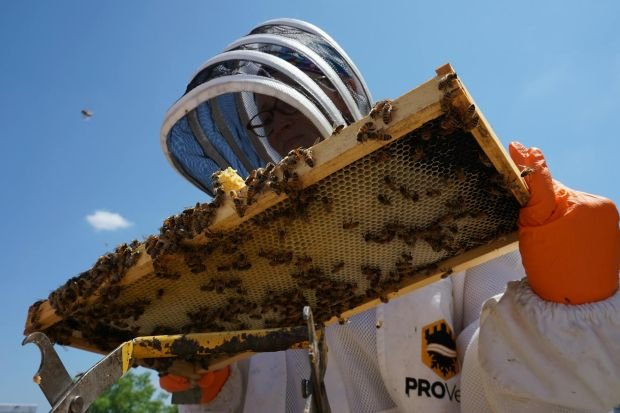
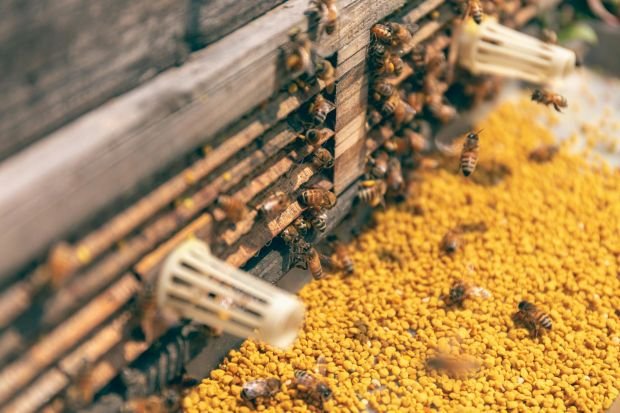
Real local honey means it’s crafted by bees foraging strictly within the North Texas region. These bees visit native oaks, cedars, ragweed, and native wildflowers — the same plants that seep allergens into your environment. Because of this, the honey contains traces of local pollen embedded within its viscous matrix.
Contrast this with supermarket honey, which is usually blended from multiple sources — sometimes across states or even countries. A jar labeled “Texas honey” might very well contain pollen from northern states or international origins. While fine as a sweetener, it won’t help your immune system become accustomed to North Texas pollen profiles.
Raw versus processed is another key distinction. Commercial honey often undergoes heating and ultra-filtration, stripping out pollen grains and beneficial enzymes like diastase and glucose oxidase. This leaves a clearer, shelf-stable product but one devoid of the compounds thought to assist in allergy desensitization. True raw honey keeps the microscopic pollen intact, alongside enzymes that support honey’s antimicrobial and anti-inflammatory properties.
## The Role of Regional Pollen in Building Allergy Immunity
Why would ingesting pollen-laden honey help your allergies? It’s tied to the concept of immunotherapy—gradual exposure to allergens to train your immune system not to overreact.
When you eat local raw honey, you consume tiny, harmless amounts of the pollen grains you’d otherwise inhale and react to violently. The digestive system processes the pollen differently than your respiratory system, presenting the immune system with a milder form of these allergens. This can recalibrate your immune response over time, helping your body recognize local pollen proteins as non-threats. This process is called **allergy desensitization**.
Importantly, consuming honey provides exposure through the gut immune axis, which is less likely to trigger an immediate allergic response but can influence immune tolerance in a beneficial way.
North Texas’s floral diversity means its honey features a broad pollen spectrum, offering a multi-faceted approach to immune adaptation. Bees harvesting from a variety of native plants produce honey rich in diverse pollen types, which could foster a more comprehensive desensitization compared to honeys with narrow pollen profiles.
## Why Honey From Crooked Creek Honey Farm and Warne Bee Farms Stands Out
Not all honey is created equal. If you want the potential allergy benefits of local honeys, pay attention to provenance and processing.
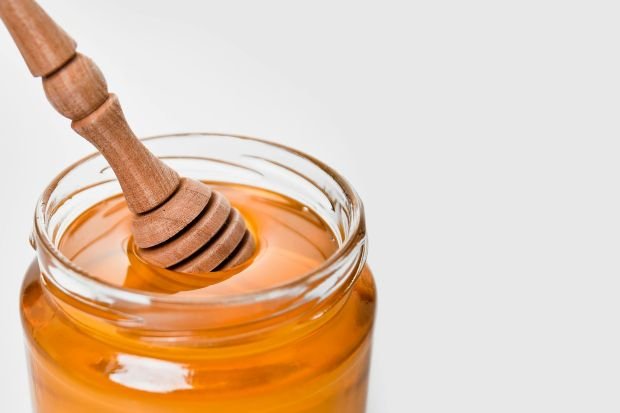
Crooked Creek Honey Farm and Warne Bee Farms are two North Texas apiaries committed to quality, sustainability, and authenticity.
- They employ **cold extraction methods** to preserve delicate enzymes like glucose oxidase, which generate antibacterial hydrogen peroxide and support honey’s healthful qualities.
- Their bees are strictly North Texas foragers, frequenting native oak, cedar, and wildflower blooms that embed region-specific pollen into every jar.
- These farms avoid high-heat processing and excessive filtering, preserving the live pollen grains needed for immune adaptation.
- Customers enjoy transparency. Farmers openly share details about hive locations and forage areas, so buyers know this honey truly reflects the local environment.
Purchasing from these farms means you’re getting unadulterated North Texas honey that maintains the enzyme activity, pollen content, and natural profile crucial for allergy support.
## Where to Find Authentic Local Honey in North Texas
Regulations around honey labeling are loose, so identifying truly local raw honey can feel tough. The best bet is to visit farmers markets where you can speak directly with the producers.
Top stops include:
1. **Melissa Farmers Market:** A favorite gathering for local producers, where both Crooked Creek Honey Farm and Warne Bee Farms showcase their raw honey.
2. **Anna Farmers Market:** Nestled in picturesque North Texas, this market offers honey that captures the essence of the Hill Country’s unique floral array.
3. **McKinney Farmers Market at Chestnut Square:** One of the region’s largest markets, known for a great honey selection accompanied by detailed vendor knowledge.
When shopping, seek labels indicating “Raw,” “Unfiltered,” and “Cold Extracted.” Ask beekeepers about hive locations and foraging areas. If they can point to local fields, woods, or native plants, you’re likely getting real deal honey rather than a generic blend.
By supporting local producers, you also bolster community agriculture and help sustain the native flora critical for bee and environmental health.

## The Science Behind Honey's Allergy-Fighting Potential
Local honey is far more than just liquid sugar. Suspended within are pollen grains from the surrounding ecology, preserved enzymes, vitamins, and trace compounds that make it a biologically active food.
Pollen grains embed immunogenic proteins—small bits that interact with your immune system. Though consuming these grains won’t trigger an allergic reaction like breathing them in, ingestion exposes your gut-associated lymphoid tissue (GALT) to these proteins, which can promote immune tolerance.
Enzymes like **glucose oxidase** convert glucose in honey into hydrogen peroxide—a mild antiseptic—which may aid gut health and reduce inflammatory responses. This mild antimicrobial activity supports a digestive environment that could foster better allergen processing.
Science on honey’s effectiveness for allergies remains mixed. While clinical trials haven’t definitively proven it cures allergies, many studies and anecdotal evidence indicate symptom reduction for some individuals. Given the complexity of immune responses and pollen variability, honey is best seen as a complementary option within a broader allergen management strategy.
Honey’s diversified pollen content in North Texas means it potentially primes your immune system across a spectrum of regional allergens, providing a more tailored immunological challenge than uniform, commercial honeys.
## Debunking Common Myths About Local Honey and Allergies
Correct information matters to use local honey safely:
- **Myth: Honey cures acute allergy attacks.**
*Truth:* Honey isn’t a rescue treatment. It works gradually by helping your immune system adjust over time. Never rely on honey to halt severe allergic reactions or anaphylaxis.
- **Myth: All honey offers allergy benefits.**
*Truth:* Only honey packed with local pollen relevant to your allergies helps. Most supermarket honeys have pollen stripped out, losing the therapeutic edge.
- **Myth: Honey is safe for everyone.**
*Truth:* Do not give honey to infants under one year due to botulism risk from spores.
- **Myth: Bee sting allergies mean you can’t eat honey.**
*Truth:* Bee sting allergies are reactions to venom proteins, not honey. Most people allergic to stings tolerate raw honey but should consult a healthcare provider first.
Dispelling misconceptions ensures safe, informed use and prevents disappointment or health risks.
## How to Incorporate Local Honey Into Your Allergy Management Routine
Getting the most from local honey requires some planning and consistency.
- **Dose:** Starting with about one tablespoon daily is common among enthusiasts. Some raise this subtly throughout the season. Regularity over weeks or months is key; sporadic use during peak pollen times won’t deliver the same benefit.
- **Consumption:** Eat it straight, spoon it into cooled tea, drizzle in yogurt, or mix into oatmeal. Avoid very hot liquids that may degrade enzymes and pollen structures, but moderate warmth won’t nullify its benefits.
- **Complementary Care:** Keep taking prescribed medications and treatments as advised. Honey can complement these by potentially reducing symptom severity over time, not replacing them outright.
Tracking your symptoms alongside honey intake can provide insight into its impact. Patience pays off; allergy desensitization is a gradual process.
## Recognizing Genuine Raw Honey: What to Look For
Authentic local raw honey exhibits telltale traits:
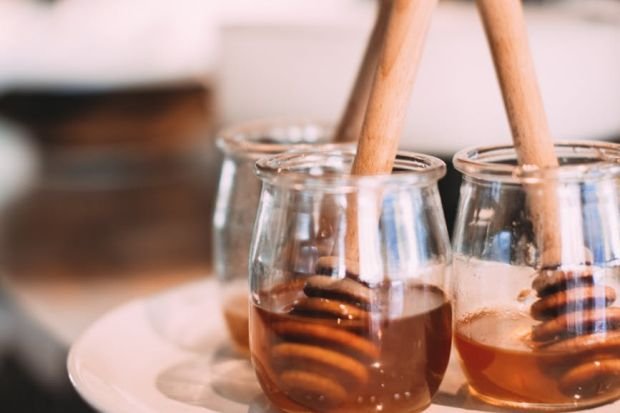
- **Appearance:** Not perfectly clear. Usually cloudy or creamy due to pollen and natural crystallization. Crystallization is a purity marker, not a flaw—it reflects natural glucose rearrangement.
- **Texture:** Raw honey often thickens or becomes grainy over time. This texture contrasts with the uniform liquid syrup of ultra-processed products.
- **Labeling:** Look for terms like “Cold Extracted,” “Raw,” and “Unfiltered.” Also seek out recognized local brands like Crooked Creek and Warne Bee Farms rather than anonymous commercial labels.
- **Taste:** Varies with floral source. Expect complex, nuanced flavors — far from the one-dimensional sweetness of mass-market honey.
Learning to spot these qualities ensures you’re investing in honey with maximum health-supporting potential.
## Environmental Benefits of Supporting Local Beekeepers
Buying local honey supports more than your immune system—it nurtures the entire ecosystem.
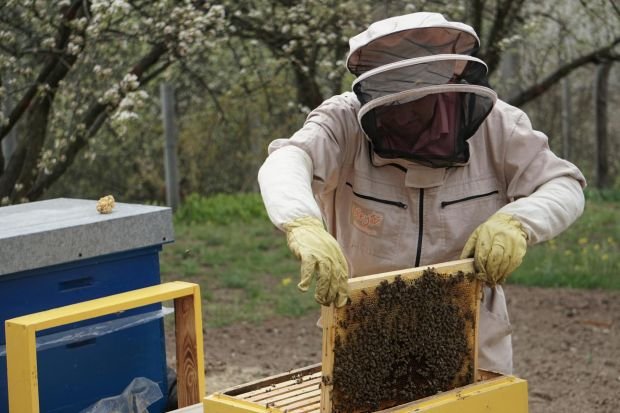
Small-scale apiaries like Crooked Creek Honey Farm and Warne Bee Farms prioritize bee colony health by minimizing hive movement and limiting chemical treatments. This allows bees to thrive naturally in North Texas habitats.
Healthy bees pollinate native plants vital to regional biodiversity, sustaining the entire food web. Supporting these beekeepers helps maintain the balance that favors diverse, stable pollen seasons, indirectly contributing to broad allergy management.
Their attentive practices ensure diverse forage and improved honey quality, strengthening local ecosystems while delivering superior raw honey products.
## Testimonials and Case Studies from North Texas Honey Consumers
Many North Texas residents who frequent the Melissa and Anna Farmers Markets attest to noticeable improvements.
One McKinney customer reported taking a daily spoon of Warne Bee Farms’ honey for six months dramatically cut their reliance on antihistamines during peak oak pollen season. Another from Dallas shared their chronic morning congestion eased substantially.
Crooked Creek Honey Farm beekeepers recount customers saying though honey didn’t quell symptoms instantly, over time it dulled their severity and frequency. These firsthand experiences echo the slow-acting nature of allergy desensitization.
Tracking your own responses over months can highlight subtle improvements you might otherwise miss—like fewer itchy eyes or reduced tissue use—which accumulate into significant relief.
## Seasonal Timing: When Is the Best Time to Start Consuming Local Honey?
Starting your honey regimen before pollen peaks maximizes potential benefits.
Begin in **late January or February**, ahead of cedar and oak pollination bursts. This timing primes the immune system before heavy pollen loads hit in March and April.
For ragweed-driven fall allergies, kick off honey intake in **late summer** so your immune defenses adjust before peak pollen dispersal.
Maintain consistent daily consumption throughout these critical periods and continue a few weeks beyond peak seasons to keep your immune system conditioned.
Adjust annually based on symptom severity, increasing dosage or consulting a medical professional if allergies intensify.
## Frequently Asked Questions About Local Honey and Allergies
**Q: Is local raw honey safe for children and pets?**
A: Yes—except infants under one year (botulism risk). Many pet owners report appetite and allergy support for dogs and cats with small amounts.
**Q: Does heat destroy honey’s beneficial components?**
A: High heat degrades pollen grains and enzymes. To preserve benefits, avoid heating honey above 100°F. Add it to warm (not boiling) beverages after they cool slightly.
**Q: Can people allergic to bee stings safely eat honey?**
A: Usually yes; bee sting reactions stem from venom, not honey. Consult an allergist if unsure.
**Q: How best to store honey?**
A: Keep in a cool, dark place in glass jars. Avoid sunlight and heat that degrade enzymes and pollen. Crystallized honey can be gently warmed in warm water to regain liquid state without overheating.
## How to Support Your Local Honey Farmers Year-Round
Your relationship with local honey farmers can be more than a simple transaction:
- **Volunteer:** Many local apiaries welcome help with hive management or educational programs.
- **Spread the Word:** Sharing your positive experiences with friends, family, or community groups helps grow support for sustainable beekeeping.
- **Advocate for Farmers Markets:** Support local markets where authentic honey producers sell directly, ensuring economic sustainability for small farms.
- **Visit the Farms:** Engage directly with beekeepers to deepen your understanding and appreciation, turning purchases into partnerships.
This support amplifies environmental benefits and secures the continuity of North Texas’s unique bee and plant ecosystems.
## Conclusion: Embracing Local Honey as a Simple, Natural Ally Against North Texas Allergies
Allergies in North Texas can be relentless, but they don’t have to dominate your life. Local raw honey—rich with the very pollen that challenges your immune system—offers a natural, accessible means to nurture tolerance and reduce seasonal suffering.
Choosing honey from trusted North Texas apiaries like Crooked Creek Honey Farm and Warne Bee Farms guarantees you’re getting a product that’s as authentic as it is beneficial: minimally processed, pollen-laden, and harvested with care.
Your journey starts at farmers markets in Melissa, Anna, or McKinney, where you can meet local beekeepers and select honey that truly reflects the region’s flora.
Incorporate a daily spoonful early in the season, stay consistent, and combine it with other allergy management strategies. It’s not a magic bullet, but a grounded, nature-aligned step toward breathing easier in North Texas—and savoring the sweet rewards of a thriving local ecosystem.
Related Searches in nearby areas
- where to buy raw honey in Aledo TX
- trusted honey sellers parker county tx
- Anderson County beekeepers
- local raw honey delivery Bartonville TX
- where to buy raw honey in Anna TX
- visit apiaries Collin County
- best farmers markets for honey in melissa tx
- oral immunotherapy honey mechanism
- raw honey from North Texas
- raw honey Alvin Texas
- honey farms near Arlington Texas
- Texas honey allergy relief
- cedar fever treatment Texas
- Weatherford TX beekeepers
- local raw honey delivery Anna TX
- raw honey Gainesville Texas
- buy raw honey in Bandera
- what makes melissa farmers market honey special
- buy raw honey Brazos County
- farmers markets with honey fort worth texas
- Gopher Knoll Farm honey
- local beekeepers Baird
- warne bee farms honey melissa farmers market
- local raw honey delivery Bryan TX
- buy Texas honey directory
- authentic local honey farms near dallas tx
- McDade Texas honey farm
- buy local honey Palestine
- raw honey Bartonville Texas
- buy honey from farm Arlington
- Hatch Honey Company Gainesville
- Maxwell Family Bees honey
- oral immunotherapy with honey
- local honey benefits in denton tx
- north texas honey for spring allergies
- local Texas honey apiaries
- buy raw honey North Texas
- buy local honey Denton County
- local honey online order dallas texas
- local honey Anderson County TX
- Bryan TX beekeepers
- commercial vs raw honey for pollen
- Alvin TX beekeepers
- North Texas local honey
- buy local honey Collin County
- north texas wildflower honey sellers
- local honey producers Arlington
- local raw honey delivery Weatherford TX
- natural allergy relief Texas
- real Texas honey Aledo
- best north texas honey farmers markets
Trending Searches in nearby areas
- Dovetail Creek honey Bartonville
- praised bee adkins tx
- Fort Worth honey shops
- local honey demand increase fort worth
- natural allergy remedies for Houston
- unfiltered honey Bexar County
- farm to jar honey Texas
- unprocessed honey Anna TX
- buy fresh honey Anna TX
- north texas allergy pollen forecast
- authentic raw honey Texas
- Paige Texas honey shop
- local honey trends in collinsville texas
- local beekeepers Anna TX
- best antihistamines for cedar fever
- honey farmers markets waco tx
- unfiltered honey Bandera
- raw honey Collin County
- honey for cedar fever efficacy
- support local beekeepers Anderson County
- support local beekeepers Bartonville
- honey producers Bandera
- fresh raw honey Tarrant County
- Weatherford local bee farms
- allergy season pollen forecast north texas
- Texas Bee Ranch certified
- farm-to-table honey fort worth tx
- north texas natural allergy remedies
- raw honey allergy relief north texas
- 1201 Honey Cooke County
- honey for hay fever Texas
- fresh honey from Alvin beekeepers
- buy local honey Tarrant County
Top Recommendations in nearby areas
- Hill Country honey for allergies
- sustainable honey Baird
- Gopher Knoll Farm honey
- native plants honey flavor
- support local beekeepers Alvin
- gut health honey prebiotics benefits
- homemade honey Bastrop
- buy local honey Texas
- micro-dosing pollen for allergies
- support local Anna businesses
- fresh raw honey Anna TX
- when to use honey for allergies
- fresh honey delivery Alamo Heights
- wildflower honey flavors Bartonville
- Texas wildflower honey
- neighborhood honey producers adkins
- sustainable beekeeping practices in north texas
- best honey shops Arlington
- allergies local honey
- how to use local honey for allergies
- Anderson County seasonal allergies honey
- north texas honey pollen preservation
- local apiary adkins tx
- honey producers North Texas
- Texas honey directory
- fresh honey Weatherford market
- North Texas honey producers
- support local beekeepers Texas
- honey vs antihistamines
- Anderson County pine forest honey
- effects of pasteurization on honey enzymes texas
- North Texas honey directory
- buy direct honey Texas