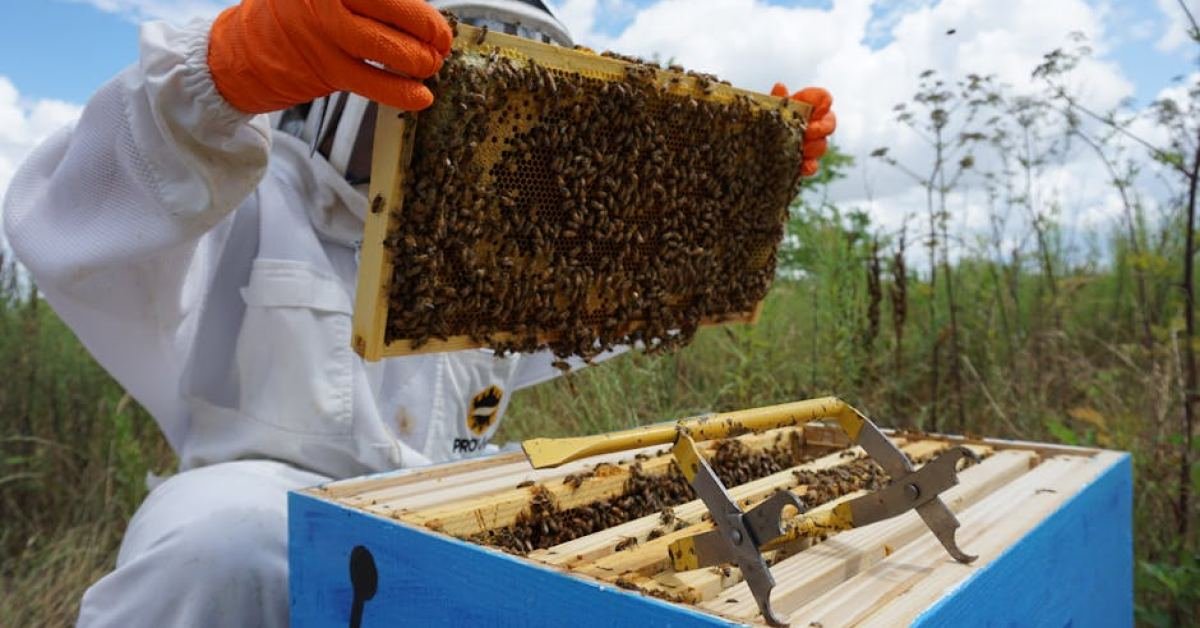
How to Incorporate Local Raw Texas Honey Into Your Allergy Diet Plan
Texas allergy season is long and intense, but local raw honey might offer a natural remedy through oral immunotherapy. This guide explains how to source authentic Texas honey, identify your specific pollen triggers, and integrate it into a balanced diet to reduce symptoms.
May 27, 2025 •
11 min read
# How to Use Honey as a Natural Remedy for Texas Allergies
Every Texan knows that gut punch: January rolls around, cedar pollen spikes, and suddenly half of Austin is squinting through watery eyes with a tissue box in hand. Or it’s late September, ragweed takes the stage in Dallas, and no allergy pill seems to cut through the fog.
For more Texans every year, relief isn’t on the pharmacy shelf—it’s in a jar of local, raw honey.
The idea? Take small amounts of honey made by bees foraging on the very plants triggering your allergies. Over time, your body builds a natural tolerance. Think of it as DIY immunotherapy—you skip the needles and the co-pays.
But does it actually work? And how do you do it right? This guide explains the science, the best methods, common pitfalls, and where to find authentic honey across Texas.
## Why Texas Allergy Season Hits Harder Than Most States
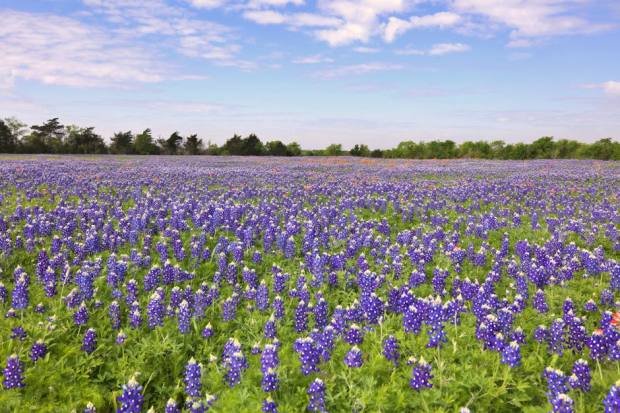
Texas doesn’t get one allergy season; it gets several, layered and overlapping.
*Cedar fever* runs from December through February and is Central Texas’s claim to allergy infamy. Mountain cedar (Ashe juniper) spews pollen clouds so dense they often blur the horizon. Seen a yellow haze drifting over Fredericksburg? That wasn’t wildfire smoke.
Spring ushers in *oak pollen*, covering vehicles in a fine yellow-green dust from March through May. Summer brings *grass pollen*—Bermuda and Timothy grasses lead this assault. Just when you think the misery’s over, *ragweed* takes over from August to November.
The result: about eight months when at least one major allergen is active. Compare that to northern states, which usually face three to four months. Texas doubles that.
Urban heat islands in Houston and San Antonio ramp this up further—higher city temperatures stretch pollen seasons longer. For millions of Texans, allergies aren’t just a seasonal nuisance; they flirt with being a year-round affliction.
## The Science Behind Honey and Allergy Relief
> 🍯 **Looking for more?** Check out our guide on [raw honey near Houston](/blog/where-to-buy-raw-honey-in-houston-tx) for local options nearby.
Honey’s role in allergy relief draws from oral immunotherapy—like allergy shots in edible form.
Bees gather nectar and pollen from local plants. Some pollen ends up in the honey. When you eat raw, unfiltered honey from your area, you’re exposing your immune system to tiny doses of the very pollens it overreacts to.
Your body learns, quietly adjusting to this regular exposure. It starts treating those pollen proteins as harmless, dialing back the histamine flood that causes sneezing, itching, and congestion.
The catch? Clinical evidence is mixed. A 2011 study in the *Annals of Saudi Medicine* reported that high doses of local honey eased allergy symptoms significantly. Yet a 2002 study in *Annals of Allergy, Asthma & Immunology* found no meaningful difference between local honey, commercial honey, and placebo.
Why the discrepancy? Variables like the honey’s source, dosage, treatment duration, and specific allergens matter. Still, the risk is near zero for adults, the cost is low, and thousands of sufferers swear by honey’s benefits enough to give it a shot.
## What Makes "Local" Honey Different From Store-Bought
Not all honey is equal—especially when you’re targeting allergies.
Most **store-bought honey**—think plastic bear bottles—is heavily ultra-filtered and heat-treated. That removes virtually all pollen, including the therapeutic kinds. What’s left is a long-lasting sweetener, not a remedy. Some commercial brands even blend honeys globally or add syrups.
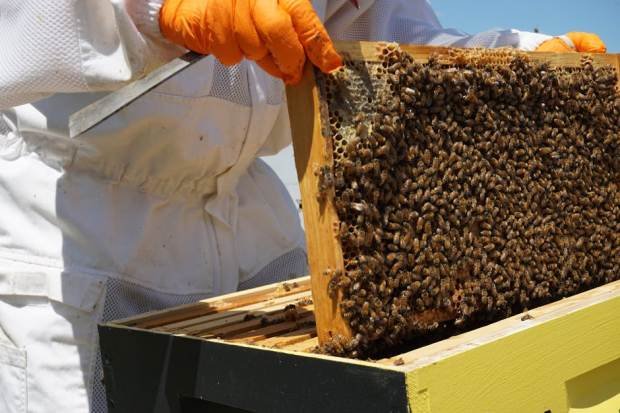
**Local, raw honey** is unheated, minimally filtered, and made by bees collecting nectar and pollen within roughly a 50-mile radius of your home. This geographic closeness is crucial—you want the honey to contain pollen from the same local plants triggering your symptoms.
Raw honey also carries beneficial enzymes, propolis, and prebiotics lacking in processed honey. While these aren’t directly allergy-specific, they support gut health, which plays a role in immune regulation.
Bottom line: ignore marketing jargon. What matters is the beekeeper, the source location, and that the honey remains raw and unprocessed.

## How to Identify Your Primary Texas Allergy Triggers
<div class="grid grid-cols-1 md:grid-cols-3 gap-8 not-prose my-8">
<div class="bg-white p-6 rounded-lg shadow-md hover:shadow-lg transition border border-gray-100">
<img src="/public/assets/uploads/69a20d68480c9.jpg" class="w-full aspect-square object-cover rounded mb-4" alt="1 lb Raw Unfiltered Honey">
<h3 class="text-xl font-bold mb-2 text-gray-900 leading-tight">1 lb Raw Unfiltered Honey</h3>
<p class="text-lg font-semibold text-blue-600 mb-2">$13.00</p>
<div class="text-gray-600 mb-4 text-sm line-clamp-3">
<p>Our raw, unfiltered wildflower honey retains all the natural pollen and enzymes, delivering a pure, complex taste of North Texas.</p> </div>
<a href="https://www.cchfbees.com/product-page/honey" class="inline-block text-blue-600 font-bold hover:underline">View Details →</a>
</div>
</div>
Before stocking up, you need to know exactly what’s setting off your immune system.
Texas’s varied flora means your triggers depend on where you live. In the **Hill Country**, it’s Ashe juniper. The **Panhandle** deals mainly with sagebrush and Russian thistle. The **Gulf Coast** battles grass, weed pollens, and salt air irritants.
Seasonal allergies often get confused with food sensitivities—both cause fatigue, bloating, and congestion. But food sensitivities don’t fluctuate with weather and wind like pollen allergies do. Track your symptoms against the Texas A&M AgriLife Extension's pollen forecasts for clarity. Eye irritation tied to oak pollen counts? That’s classic seasonal allergy.
Don’t overlook indoor irritants like mold spores and dust mites driven by Texas humidity. Honey won’t remedy mold, but building mucosal immunity with honey helps your body handle this constant exposure better.
Mapping your personal triggers helps you choose the right honey and allergy strategy.
## Sourcing Authentic Raw Honey from Texas Beekeepers
Finding genuine local honey means skipping the grocery aisle.
Seek out **local apiaries** at farmers markets in Austin, San Antonio, Houston, or rural co-ops aggregating multiple local farms. Many beekeepers sell direct online, cutting out middlemen and guaranteeing authentic product.
Ask targeted questions: How is the honey harvested? Does filtration preserve pollen? How is the honey stored? It should be kept cool and dark to avoid fermentation or enzyme breakdown.
Look for signs of true raw honey: crystallization over time is a good giveaway. If honey stays perfectly clear and runny year-round, it’s likely heated or over-processed. Avoid jars with air bubbles or leaks—they spell poor sealing.
Never buy honey that’s labeled “pure” without origin information or seems mass-produced. Real Texas honey carries its story—the flowers, the land, the beekeeper.
## Integrating Honey into Breakfast: The Most Effective Daily Habit
Consistency is key. Breakfast is prime time—your digestive system is most receptive, ready to process allergens and nutrients before the day gets hectic.
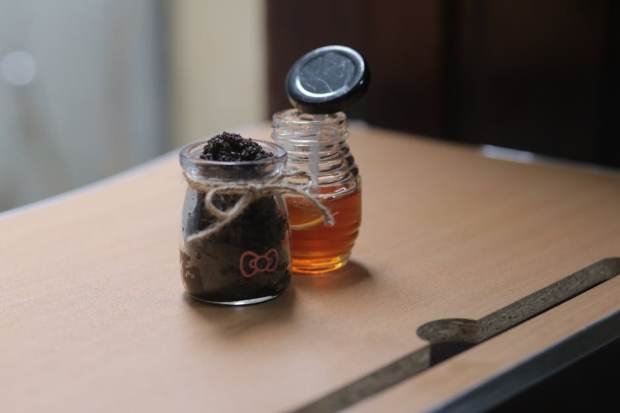
Start with a teaspoon of raw honey stirred into warm water or tea. Warmth soothes irritated sinuses and throat, and helps the pollen bind with saliva for easier digestion.
For stronger effects, mix in small amounts of **local bee pollen**, a concentrated source of allergenic proteins. Start tiny—some react strongly to bee pollen, so caution is crucial.
Smoothies also work well. Blend Texas wildflower honey with antioxidant-packed fruits like blueberries or pomegranates. The fruit’s antioxidants and honey’s anti-inflammatory effects reinforce each other, particularly during peak cedar fever or ragweed seasons.
An early morning honey habit “primes” your immune system to tolerate local pollens all day.
## Sweetening Savory Dishes to Maintain Dietary Balance
Honey isn’t just for sweet stuff. Using it in savory dishes helps keep your diet balanced and avoids sugar burnout.
Use raw honey as a glaze on roasted vegetables—carrots, sweet potatoes, Brussels sprouts. It caramelizes under heat, adding moisture and a complex flavor without refined sugars.
Try honey-based marinades for meats. A combo of honey, soy sauce, garlic, and ginger sticks to the surface, locking in moisture and shielding flavor during grilling or smoking near pollen-heavy outdoor areas. That means your remedy sticks with the food.
Swap out high-fructose corn syrup or refined sugar in stir-fries and sauces for Texas wildflower honey. It adds floral notes that brighten BBQ sauce, chicken glazes, and salad dressings—a subtler sweetness that rounds out vinegar or lemon acidity nicely.
Watch your portions. Honey still raises blood sugar, so treat it as a supplement to whole foods, not a sugar replacement.
## Timing Your Honey Consumption Around Peak Pollen Seasons
Timing turns good intention into effective action.
Double down during December to February for Cedar Fever, and again in spring for grass pollen season. Aim for one to two tablespoons daily when pollen counts soar.
Keep an eye on Texas A&M AgriLife Extension’s forecasts. On big oak pollen days, increase your dose slightly. On rainy days, when pollen levels drop, cut back to avoid unnecessary sugar.
“Pre-loading” matters: start boosting honey intake 2-3 months ahead of a pollen season. For January cedar fever, begin in October or November. Think of it as strength training your immune system to handle heavy loads later.
## Pairing Honey with Other Dietary Allergy Protocols
Honey blends well with different diets, including the Autoimmune Protocol (AIP) and other elimination regimens, as long as it’s pure and local.
It pairs naturally with anti-inflammatory staples like turmeric and ginger. Add a pinch of turmeric to your honey tea for extra immune modulation.
For those with diabetes or blood sugar concerns, honey demands respect. It still spikes glucose but can be used in controlled amounts. Always combine it with high-fiber foods—whole grains or nuts—to temper sugar absorption.
Honey also complements nasal irrigation and home air purifiers. It strengthens mucosal defenses, making saltwater rinses more effective. Purifiers reduce indoor pollen, easing overall systemic burden. Together, they form a practical allergy strategy.
## Common Pitfalls When Adding Honey to an Allergy Diet
Well-meaning mistakes can sabotage your progress.
Cross-contamination is a constant threat. Use clean utensils to scoop honey. Don’t introduce mold or allergens from dirty spoons. Keep jars tightly sealed to block moisture that leads to fermentation.
Overdoing honey leads to weight gain, which fuels inflammation and worsens allergy symptoms. Stick to one to two tablespoons daily. Don’t turn honey into your everyday sweetener—reserve it for deliberate therapeutic doses.
Relying on honey and ignoring environmental controls is a classic error. Honey helps your body cope but doesn’t keep pollen out of your home. Use quality HVAC filters for that. Honey supplements a clean environment—it doesn’t replace it.
Finally, patience is essential. Immune retraining takes months of consistent use, not days. Don’t quit after a week if relief is slow. Time and persistence reward you.
## Special Considerations for Different Texas Climates and Regions
Texas is vast with wildly different plant life. Choose your honey to match your local allergens.
In the **Hill Country**, cedar and oak-based honey are your best bets. On the **Gulf Coast**, look for wildflower honey rich in grass and weed pollens. The **Panhandle** offers sagebrush and Russian thistle honeys.
Desert honey—harvested from creosote bush and mesquite—in West Texas is potent but not suited to central Texans’ allergies. Prairie honey from northern grasslands carries heavy grass pollen. Match your local triggers for maximal effect.
Heat storage tips apply especially in Texas summers. Store honey in a cool, dark place. If indoor temps hover above 85°F, refrigeration can prevent enzyme breakdown and fermentation.
Travelers: pack honey in insulated containers with ice packs. Seal tightly to stall spoilage during transport.
---
## FAQ
### Does local raw honey work for everyone with Texas allergies?
No. Results vary widely depending on individual immune responses and specific allergens. Some notice immediate symptom relief; others need months of steady intake. Honey acts as a desensitizer, not a blocker—it teaches tolerance slowly. Severity of allergies and honey purity often explain different outcomes.
### Can I use honey if I have diabetes or blood sugar concerns?
Yes, but cautiously. Honey raises blood sugar like other natural sweeteners. Limit portions and pair with fiber-rich foods to moderate glucose spikes. Always consult your doctor to ensure honey fits your blood sugar management plan.
### Is there a difference between honey for kids and adults with allergies?
Strictly avoid honey for infants under one year due to botulism risk. For older kids, start with about a quarter teaspoon, gradually increasing to adult doses as tolerated. To get kids on board, mix honey into yogurt or smoothies—skip artificial sweeteners. The goal is early habituation to pure local honey flavors.
## Conclusion
Using local Texas honey as an allergy remedy isn’t a magic bullet, but it’s a powerful tool when handled correctly. Sourcing truly local, raw honey from trusted Texas beekeepers is non-negotiable—supermarket blends won’t cut it.
Start early, be consistent, and combine honey with air filtration, proper nutrition, and environmental control for the best results.
Visit a local apiary, build a relationship with a beekeeper who understands your land and flowers, and secure the purest raw honey you need to outlast Texas’s relentless allergy seasons.
Related Searches in TX
- local honey Anderson County TX
- local raw honey delivery Fort Worth TX
- how honey works for allergies
- buy raw honey Arlington TX
- visit apiaries Collin County
- Alamo Heights TX beekeepers
- oral immunotherapy honey mechanism
- buy raw honey in Brazoria County
- Texas honey allergy relief
- natural allergy relief Texas
- buy local honey Denton County
- Cedar-Fever relief Texas honey
- Tarrant County beekeepers
- where to buy local honey in Canton TX
- how does local honey help allergies texas
- where to buy raw honey in Fort Worth TX
- best apiaries selling raw honey Gainesville TX
- buy authentic honey Parker County
- where to buy local honey in Bryan TX
- honey farms near Anna Texas
- local beekeepers Arlington
- natural remedy for oak pollen
- warne bee farms honey melissa farmers market
- Bartonville TX beekeepers
- raw honey sellers Anna Texas
- local apiaries selling honey collin county
- north texas raw honey for allergies
- oral immunotherapy honey benefits
- raw honey Alvin Texas
- honey for cedar fever relief
- raw honey Alamo Heights Texas
- best local honey Austin
- how to choose local honey for allergies
- Anna TX beekeepers
- raw honey Anna Texas
- local beekeepers Bastrop Texas
- local beekeepers Baird
- north texas raw honey buyer guide
- local raw Texas honey for allergies
- how to use honey for pollen allergies
- raw honey Weatherford Texas
- best apiaries Palestine Texas
- Texas cedar pollen allergy
- Cedar Creek raw honey
- raw honey Central Texas
- buy local honey Collin County
- honey farm Anna TX
- where to buy raw honey in north texas
- where to buy raw honey in Aledo TX
- buy raw honey near dallas fort worth tx
- oral immunotherapy with honey
Trending Searches in TX
- local honey for allergies Alvin
- fresh Texas honey producers
- genuine local honey Texas
- best antihistamines for cedar fever
- buy local honey Tarrant County
- Buy Texas Honey directory
- authentic Anna Texas honey suppliers
- raw unfiltered honey East Texas
- sustainable beekeeping north texas
- support local beekeepers Anderson County
- support local Weatherford businesses
- Dovetail Creek honey Weatherford
- authentic raw honey Anderson County
- support local beekeepers Texas
- Anna Collin County honey
- buy honey direct Arlington
- south texas honey sellers
- seasonal honey harvest in north texas
- artisan honey Central Texas
- family run honey farms Texas
- allergy season pollen forecast north texas
- unprocessed honey Anna TX
- warne bee farms cold extraction method
- unfiltered honey Fort Worth
- honey for allergies Arlington
- Warne Bee Farm Anna honey
- unfiltered honey North Texas
- Crooked Creek Honey Farm Anna
- honey desensitization protocol
- farm to jar honey Texas
- sustainable beekeeping Bryan
- North Texas local honey producers
- honey for hay fever Texas
Top Recommendations in TX
- honey traceability best practices denton county
- anti-inflammatory honey benefits texas
- Texas honey directory
- buy Texas honey online
- honeycomb gifts Anderson County
- gut health honey prebiotics benefits
- local beekeepers in Anna Texas
- north texas wildflower honey health
- Gopher Knoll Farm honey
- hybrid allergy management strategy
- north texas honey pollen preservation
- Aledo Apiary location
- local apiary adkins tx
- how to identify real honey denton county
- genuine Texas honey shops
- fresh honey delivery Alamo Heights
- natural allergy relief honey fort worth
- sustainable beekeeping Texas
- neighborhood honey producers adkins
- honey tasting Anna TX
- raw honey immune support north texas
- raw honey for immune system support
- honey producers Bastrop County
- JC's Honey Bees classes
- honey farm directory Anna
- Texas raw honey suppliers
- North Texas honey directory
- honey producers North Texas
- Master Beekeeper Texas A&M
- support local beekeepers Alvin
- honey beekeepers Baird
- support local Anna businesses
- best local honey in Van Zandt County