How to Compare Texas Honey and Antihistamines for Allergy Relief
Texas allergy season is long and intense. This guide compares the science, cost, and efficacy of local honey versus antihistamines to help you choose the best relief strategy.
May 14, 2025 •
10 min read
# How to Compare Texas Honey and Antihistamines for Allergy Relief
Every Texan knows the drill: January rolls in, cedar pollen spikes, and suddenly half of Austin is squinting through watery eyes clutching a box of tissues. Or maybe it’s late September, ragweed takes center stage in Dallas, and those over-the-counter antihistamines just aren’t cutting through the haze.
For many, the answer isn’t in a pill bottle. It’s in a jar—a jar of raw, local honey.
The premise feels simple: regularly consume honey from bees that forage on the very plants triggering your allergies, and your body builds tolerance over time. Think of it as DIY immunotherapy, without the needles or co-pays.
But does it really work? And if so, how can you make it work *right*? This guide unpacks the science, the strategy, common pitfalls, and where to find authentic Texas honey that delivers.
## Why Texas Allergy Season Hits Harder Than Most States
Texas doesn’t have one allergy season. It has several, and they overlap relentlessly.
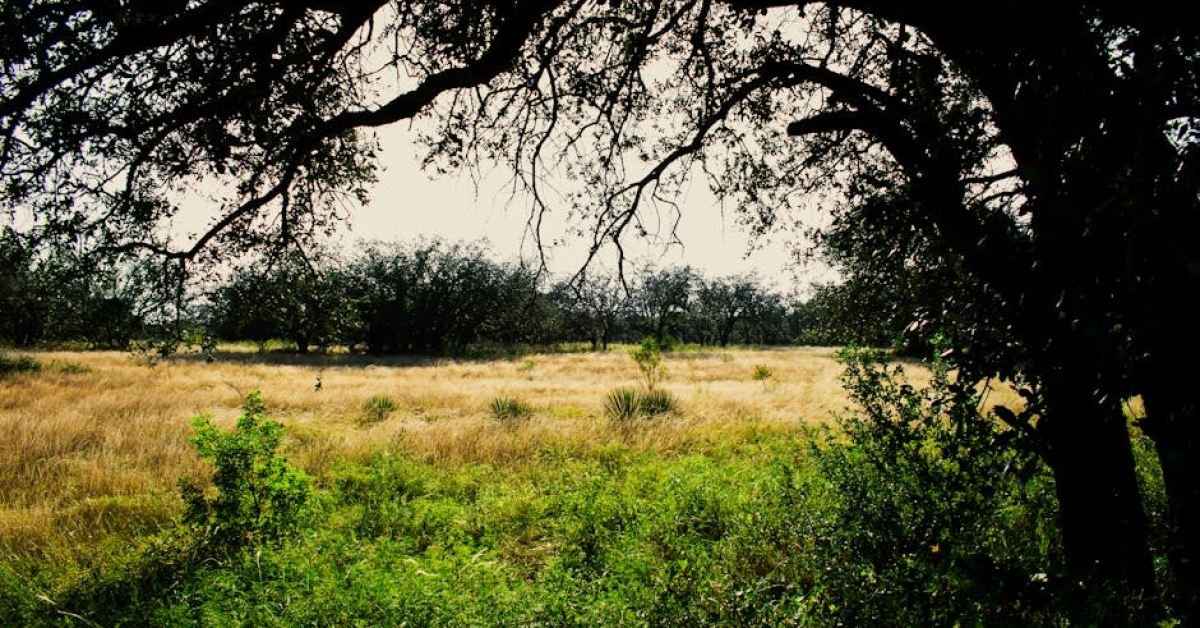
**Cedar fever** kicks off between December and February. Unique to Central Texas and the Hill Country, mountain cedar (Ashe juniper) releases pollen clouds so dense they’re visible from miles away. If you’ve seen a yellow haze over the Fredericksburg hills, that’s not smoke—it’s pollen.
Then spring sweeps in with **oak pollen**, dusting cars in a fine yellow-green layer from March through May. Summer brings **grass pollen**, with Bermuda and Timothy grasses leading the barrage. Finally, **ragweed** dominates from August through November.
This layering means Texans face about *eight months* of active allergens each year. Northern states often get just 3 to 4 months. Add urban heat islands in cities like Houston and San Antonio, where higher temperatures stretch pollen seasons further, and allergies become a near-constant irritant for millions.
## The Science Behind Honey and Allergy Relief
> 🍯 **Looking for more?** Check out our guide on [raw honey near Houston](/blog/where-to-buy-raw-honey-in-houston-tx) for local options nearby.
Honey as an allergy remedy hinges on **oral immunotherapy**—the same concept behind allergy shots.
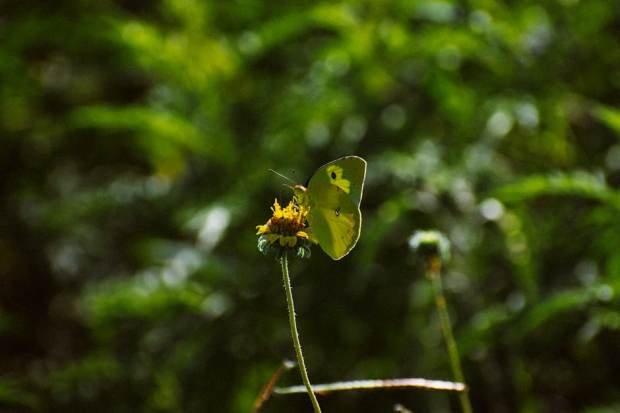
Bees gather nectar and pollen from local plants, and trace pollen particles often make their way into raw, unfiltered honey. When you consume honey sourced from your area, you’re ingesting tiny doses of the very pollens that trigger your symptoms.
Repeated exposure trains your immune system to tolerate these allergens, toning down the histamine reaction that causes sneezing, itching, and congestion.
The catch: **scientific evidence is mixed.** A 2011 study in the *Annals of Saudi Medicine* found participants eating high doses of local honey saw clear symptom improvements. But a 2002 study published in *Annals of Allergy, Asthma & Immunology* found no difference between local honey, commercial honey, or placebo.
These conflicting results likely reflect differences in honey type, dosage, duration, and specific allergens involved.
What we do know for certain: **honey is safe for adults, low-cost, and supported by thousands of positive user experiences.** With minimal risk, it’s worth trying for many allergy sufferers.
## Why Texas Honey Might Not Work for Everyone
“Local” is the key word, but local means much more than “Texas” on a label.
**The 50-mile radius rule** is a diamond standard for allergy relief honey. Bees forage within a few miles of the hive, but pollen travels further. buying “Texas honey” from El Paso probably means you get cactus or sagebrush pollens, not the Ashe juniper pollen causing January misery in Austin.
**Processing matters, too.** Commercial honey often undergoes ultra-filtration and heating, stripping it of pollen and enzymes. What remains is just a sweetener. Some mass-market honey blends multiple origins and adds syrups.
Regional variation can’t be ignored. Hill Country honey rich in cedar pollen isn’t the same as East Texas honey dominated by pine pollen. Generic Texas honey from unknown producers often lacks the pollen profile needed for effective immunotherapy.
You want raw, unprocessed honey from a known beekeeper close to your home.
## Cost Analysis: Upfront Price vs. Long-Term Investment
<div class="grid grid-cols-1 md:grid-cols-3 gap-8 not-prose my-8">
<div class="bg-white p-6 rounded-lg shadow-md hover:shadow-lg transition border border-gray-100">
<img src="/public/assets/uploads/69a20d68480c9.jpg" class="w-full aspect-square object-cover rounded mb-4" alt="1 lb Raw Unfiltered Honey">
<h3 class="text-xl font-bold mb-2 text-gray-900 leading-tight">1 lb Raw Unfiltered Honey</h3>
<p class="text-lg font-semibold text-blue-600 mb-2">$13.00</p>
<div class="text-gray-600 mb-4 text-sm line-clamp-3">
<p>Our raw, unfiltered wildflower honey retains all the natural pollen and enzymes, delivering a pure, complex taste of North Texas.</p> </div>
<a href="https://www.cchfbees.com/product-page/honey" class="inline-block text-blue-600 font-bold hover:underline">View Details →</a>
</div>
</div>
Allergy treatments look different on your bank statement.
**Antihistamines** cost $10–15 a bottle, easy on the wallet upfront. But chronic sufferers pay monthly, amounting to hundreds of dollars over a decade.
**Honey** commands a higher initial price—$20 to $30 per jar—but a jar lasts only a month or two at therapeutic doses (1–2 tablespoons daily).
Beyond dollars, antihistamines have hidden costs: **drowsiness reduces productivity and raises accident risks.** Missing work or driving unsafely wipes out the savings on the pills.
Honey’s hidden cost is effort. You need consistent supply and patience. But once you find a trusted local producer, your cost per serving drops. Unlike pills, honey offers potential long-term savings by building tolerance.
## Safety Profiles and Side Effects
Safety isn’t just avoiding danger; it’s about how treatments affect your daily life.
**Antihistamines** commonly cause drowsiness, dry mouth, and dizziness. First-generation drugs like Benadryl cross the blood-brain barrier easily, causing sedation. Second-generation pills like Claritin are mostly non-drowsy but can cause fatigue or brain fog for some.
**Honey’s safety profile is excellent for adults.** The main warning is for infants under one year—honey can carry *Clostridium botulinum* spores and cause botulism. Also, a rare few may have allergies to honey components or bee venom; those with severe bee allergies should consult a doctor first.
## Drug Interactions and Contraindications
Medications rarely exist in isolation.
**Antihistamines interact with many drugs.** They can dangerously lower blood pressure when combined with blood pressure meds. Combined with antidepressants, especially SSRIs, they may increase serotonin syndrome risk. Alcohol and sedatives amplify drowsiness and coordination issues.
**Honey has minimal drug concerns**, but diabetics must watch the sugar. Two tablespoons add 30–40 grams of sugar, impacting blood glucose management.
If you have glaucoma, some antihistamines may raise eye pressure. Diabetics should weigh honey’s sugars carefully. Always discuss your full health picture with a provider before starting either treatment.
## Timing and Administration Strategies
Timing is critical to maximizing relief from both honey and antihistamines.
**Antihistamines** work fastest when taken 30 to 60 minutes before exposure or symptoms. Daily use during allergy season keeps a steady defense. Miss a dose, and effects fade within 24 hours for most second-generation types.
**Honey demands patience and early starts.** Begin 2 to 3 months before peak allergy season. For cedar fever in January, start in October. Consistency is crucial. Skipping days sets you back; you may lose weeks of progress.
Dosing differs: antihistamines are measured in milligrams, often 10mg or 20mg. Honey is measured in tablespoons, with studies recommending 1 to 2 per day.
## Lifestyle Factors That Influence Both Treatments
Your environment and habits shape how well allergy remedies work.
**Environmental control** strengthens antihistamine effectiveness. Using air conditioning with quality filters keeps pollen out, lowering your body’s allergen load.
**Diet and hydration** play roles in immune and mucus health. Antioxidant-rich foods support immune tolerance. Staying hydrated thins mucus, which helps clear pollen.
**Sleep and stress management** directly impact allergy severity. Chronic stress elevates cortisol, making reactions worse. Poor sleep impairs immune regulation. Both factors increase the amount and effectiveness needed of treatments.
**Complementary therapies** like nasal irrigation and air purifiers help remove pollen physically. These work alongside honey and antihistamines to create a layered defense.
## Real-World User Experiences in Texas Communities
Texas allergy sufferers offer a complex picture.
In **Dallas and Houston**, reports on honey’s effectiveness are mixed. Urban heat islands bring pollen from afar, reducing the impact of local honey. Some swear by Hill Country honey, noting symptom relief within weeks; others don’t see a difference.
In **rural Texas**, users relying on nearby beekeepers see better results. Honey harvested near Ashe juniper forests carries higher cedar pollen concentrations. These folks often notice gradual symptom reduction over several seasons.
Complaints about **antihistamine fatigue** are common. Users cite feeling "zombified" on first-gen drugs or persistent brain fog on second-gen. Many turn to honey seeking alternatives.
Switching isn’t instant. A San Antonio user shared it took *six months* of daily honey before benefits appeared, with antihistamines required during tough days. Patience is essential on the honey path.
## Making the Decision: Who Should Choose Which Path?
No single solution fits all allergies.
**Choose antihistamines if you need quick relief.** Severe symptoms, work impacts, or disrupted sleep demand fast, reliable action. Antihistamines deliver consistent, predictable results for acute control. They’re also best if you can’t commit to a daily regimen of honey.
**Choose honey if you have mild to moderate allergies and want long-term relief.** It’s a natural desensitizer requiring discipline and patience. This suits those willing to invest months for potentially reduced future medication use.
**A hybrid approach often works best.** Start honey months before allergy season to build tolerance. Keep antihistamines handy for spikes or travel outside your pollen zone. This strategy offers both immediate and lasting defense.
**See a doctor when symptoms are severe or uncontrolled.** Allergy shots remain the gold standard for serious cases and deserve consideration with an allergist.
## FAQ
### Is Texas honey effective for cedar fever specifically?
Yes, but only if sourced properly. Cedar pollen concentration varies by location. Living in the Hill Country? Look for honey from within a **50-mile radius** of your home. Houston honey seldom contains enough Ashe juniper pollen to offer meaningful benefit. Location matters more than the generic “Texas honey” label.
### Can I take antihistamines and eat honey at the same time?
Yes. They don’t interact negatively. Many use honey for gradual immune training while relying on antihistamines during flare-ups or travel. This combo gives you the best of both worlds.
### How long does it take for honey to work compared to a pill?
Hours versus months. Antihistamines show effects in 30 to 60 minutes. Honey requires daily intake for 2 to 3 months before benefits emerge. Think of honey as immune system training, not a fire extinguisher.
## Conclusion
Choosing between honey and antihistamines is a balance between fast relief and sustainable tolerance.
**Antihistamines provide immediate, reliable symptom control.** They keep you functional on bad days.
**Honey is a long game, building immune resilience.** Sourced correctly and taken consistently, it may reduce your medication dependence over time.
For many Texans, the best plan mixes both: use honey early to train your immune system and keep antihistamines for unexpected pollen surges.
Consult your healthcare provider before starting any treatment, especially if you have health conditions or take other meds. Your pollen response is unique, and a strategy tailored to you is the only one that will clear the Texas allergy fog for good.
Related Searches in nearby areas
- Texas honey producers near Baird
- north texas honey for spring allergies
- difference between raw and processed honey
- Texas honey allergy relief
- honey farm Arlington TX
- where to buy local honey Anna TX
- Bartonville TX beekeepers
- best honey for ragweed allergy
- buy raw honey North Texas
- McDade Texas honey farm
- where to buy local honey in melissa texas
- Angry Bee Honey Baird
- Bryan TX beekeepers
- best farmers markets for honey in melissa tx
- buy local honey Denton County
- Texas cedar fever honey remedy
- buy honey from farm Anna
- Cedar Creek raw honey
- unfiltered honey Arlington
- Hatch Honey Company Gainesville
- what makes melissa farmers market honey special
- Elgin Texas honey seller
- Cross Timbers Honey Parker County
- buy local honey Parker County
- north texas raw honey buyer guide
- raw unfiltered honey Blue Ridge Texas
- Texas wildflower honey benefits
- buy raw honey Arlington TX
- honey farms near Anna Texas
- local honey delivery plane texas
- where to buy raw honey in Anna TX
- where to buy raw honey Anderson County TX
- buy raw honey Brazos County
- Adkins TX honey farm
- local raw honey delivery Bryan TX
- how to verify honey businesses denton texas
- Gopher Knoll Farm honey
- where to buy raw honey in Fort Worth TX
- local honey benefits for allergies mckinney tx
- buy raw honey near me
- north texas pollen allergy treatment honey
- crooked creek honey farm anna tx
- Weatherford TX beekeepers
- Texas cedar pollen allergy
- Aledo Apiary services
- local honey producers Arlington
- how to find unprocessed honey in fort worth tx
- where to buy raw honey in Alamo Heights TX
- Alvin TX beekeepers
- raw honey producers Canton Texas
- best honey for ragweed allergies
Trending Searches in nearby areas
- how to choose raw honey
- texas cottage food law honey sellers
- North Texas local honey producers
- buy local honey Palestine TX
- fresh honey Baird TX
- unfiltered honey Anna TX
- Heavenly Harvest Apiary Palestine
- allergy relief natural remedies Texas
- melissa tx local honey festivals
- Texas Hill Country beekeeping
- north texas allergy pollen forecast
- buy local honey Baird
- best raw honey Aledo TX
- Anderson County farmers market honey
- allergy season pollen forecast north texas
- Pete Glasser honey farm
- Texas allergy season remedies
- honey therapy for allergies
- Paige Texas honey shop
- Weatherford local bee farms
- praised bee adkins tx
- health benefits of raw honey dallas tx
- fresh honey from Alvin beekeepers
- buy local honey Tarrant County
- south texas honey sellers
- north texas honey antioxidant research
- North Texas raw honey
- Prime Bees Texas honey
- honey desensitization method guide
- local honey trends in collinsville texas
- warne bee farms cold extraction method
- north texas natural allergy remedies
- Alvin TX honey farms
Top Recommendations in nearby areas
- fresh Texas honey online
- support local beekeepers Bryan
- honey traceability best practices denton county
- raw honey delivery Arlington
- best honey stores Anna
- honey comb Alamo Heights
- honey producers Bastrop County
- Warrior Bee Apiary contact
- seasonal allergy management Texas
- north texas honey storage and freshness tips
- honey for baking East Texas
- buy direct honey Texas
- support local beekeepers Alvin
- genuine Texas honey shops
- cold-pressed honey delivery
- Hill Country honey for allergies
- effects of pasteurization on honey enzymes texas
- fresh honey delivery Bryan
- best local honey family apiaries Texas
- advantages of local honey farm tours fort worth
- local honey producers Bryan
- fresh raw honey bexar county
- honey for allergy relief Texas
- north texas local honey for digestion
- north texas wildflower honey health
- sustainable beekeeping practices in north texas
- honey harvesters near Anna
- north texas monofloral honey uses
- North Texas wildflower honey
- natural sweetener Bandera
- fresh honey delivery Alamo Heights
- buy local honey adkins
- infant botulism honey safety warning