Local Honey From Melissa Farmers Market VS Melissa's HEB Supermarket
Not all honey is created equally. Discover why North Texans should skip the HEB aisle for local raw, unfiltered honey at the Melissa Farmers Market. Learn about the health benefits of local apiaries like Crooked Creek Honey Farm and why processed supermarket honey lacks the enzymes and pollen of the real deal.
February 6, 2026 •
16 min read
Let’s be honest—most of us have grabbed a jar of honey from the grocery store, glanced at the label claiming “100% Pure” or “Natural,” and felt pretty good about choosing something sweet and healthy. But here’s the thing: not all honey is cut from the same comb. Especially if you live in North Texas, what you find in HEB’s aisles is often miles away from the rich, raw, unfiltered honey offered by local farmers markets like the Melissa and Anna Farmers Markets.
If you’re serious about honey—its taste, its health benefits, and what it means for the environment—you’re better off bypassing the supermarket and making a beeline to these community hubs. That’s where true artisans like Crooked Creek Honey Farm bring their unpasteurized, unfiltered honey, a product you won’t find sitting on any big-box shelf. Their honey comes straight from the hive to your table, bursting with the unique flavors and nutrients of North Texas wildflowers.
Ready to discover why your honey deserves to have roots in your neighborhood, not a warehouse? Let’s start.
## Why Does It Matter Where Your Honey Comes From?
Honey isn’t just honey. Behind that golden liquid is either a product of industrial processing or one of nature’s most authentic treasures. In North Texas, you get to choose.
### Raw vs. Processed Honey: A Tale of Two Worlds
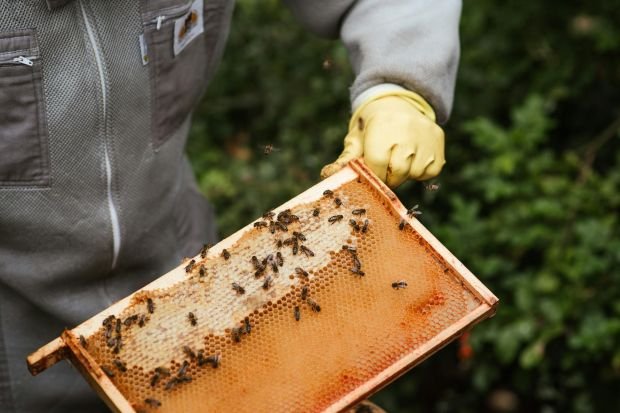
Think of raw honey as nature’s homemade recipe—bees gather nectar, their bodies work enzymes into the mix, then it goes straight from comb to jar after gentle straining. This honey keeps its pollen, propolis, and those powerful enzymes like diastase and invertase intact. *That* is where its magic lives—antimicrobial and antioxidant properties that supermarkets filter right out.
On the flip side, processed honey—the kind most common at big retailers like HEB—is more like honey on autopilot. It’s pooled from thousands of hives across who-knows-where, heated up to kill bacteria (even if it’s unnecessary), and forced through ultra-fine filters that strip away pollen and enzymes. What you end up with looks like honey, but it’s often just a clear, high-fructose syrup missing the nutrients, flavor complexity, and history that local honey offers.
### North Texans Are Growing Wiser—and Chooser
More and more people here are waking up to the idea that where their food comes from isn’t just trivia—it’s everything. The local honey movement is gaining momentum because folks want:
- Food that’s fresh and seasonal
- Connection to the land they live on
- Support for small businesses who care about sustainability
No more mystery jars from the back of a warehouse; these days, you want honey harvested at sunrise from North Texas wildflowers, handled by people who know their bees by name.
### The HEB Shelf Isn’t the Whole Story
Picture this: HEB’s honey aisle is cool and predictable. Rows of uniform jars with generic flower graphics. That honey smells faintly like wax or nothing at all—sometimes a touch of vanilla. Now imagine the Melissa Farmers Market, filled with buzz and community, scents of fresh vegetables, and vendors whose faces light up when you ask them how the bees are doing. Here, every jar tells a story of floral seasons, local soil, and sweat-earned craft.
One buys convenience, the other buys authenticity—and your taste buds will know the difference.
## Understanding Raw Honey: What Local Buzz Is All About
That buzz you hear around raw, unfiltered honey? It’s more than just hype—it’s science speaking.
### What Makes Raw, Unfiltered Honey Special?
Raw honey is never heated above 104°F (40°C). Why does that matter? Because those delicate enzymes bees add—the ones breaking down sugars and turning honey into a natural antibiotic—stay alive. Diastase, invertase, glucose oxidase—they’re all still at work.
“Unfiltered” means the honey isn't doused through fine meshes that scrub out pollen, propolis, and even tiny wax remnants. That pollen isn’t just decorative; it carries vitamins, minerals, and a fingerprint of where the honey came from, lending health benefits and complex antioxidant properties not found in filtered supermarket varieties.
That natural hydrogen peroxide produced by bees? It stays intact here, lending honey its subtle antiseptic power. Raw, unfiltered honey isn’t just a sweetener—it’s a prebiotic superfood for your gut, a natural remedy, and a treasure chest of flavor.
### Why Conventional Supermarket Honey Falls Short
Look closely at that big-brand jar. The ultra-filtration and heating kill off nearly all of the living components. Sometimes, big brands even dilute their product with syrups—though they don't always admit it on the label. The ones sticking strictly to honey can still lose so much in processing that what you’re left with is technically honey, but a shadow of its true self: bland, smooth, lifeless.
Compare that with raw honey from local blooms—it’s vibrant, textured, cloudy or crystallized, and carries hints of wild mint, oak, blackberry, or the favorite wildflowers of North Texas bees.
### Local Floral Origins: Flavor and Health in Harmony
Honey isn’t a one-note syrup. It’s an edible landscape, and the North Texas wildflower honey you’ll find at your farmers market captures that environment perfectly. While factory honey is usually a blend from multiple regions and states, local honey locks in the taste of prairies, clover patches, creekside blackberries, and spring weeds around Collin and Denton counties.
This variation isn’t a bug—it’s a feature. Your jar changes flavors through the seasons, just like fresh fruit or veggies. And with that diversity comes a richer mix of antioxidants and nutrients, supporting your health and reflecting the terroir of your hometown.
## What’s Actually on the Shelves at Melissa’s HEB?
It’s tempting to grab what’s easy and familiar, but when it comes to honey, convenience comes with compromises.
### The Familiar Brands You See in HEB
Walk into HEB and you’ll spot the usual suspects—brands designed for mass production, consistently sweet and clear, often sitting on shelves for months. These companies combine honey from factories and commercial hives, blending nectar from various origins until it’s uniform and shelf-stable.
Extracting honey from thousands of hives simultaneously means mixing any subtle floral notes into anonymity.
### What Ultra-Filtration and Heat Do to Your Honey
To keep honey fluid and shelf-stable, big producers push it through microscopic filters that *remove pollen*—the very fingerprint and nutritional backup of raw honey. It’s like making coffee with a filter so fine it removes all the oils and flavor compounds; sure, it’s smooth, but that distinct character vanishes.
Then comes the heat: even moderate warming breaks down enzymes—say goodbye to natural antibiotics and digestion aids. The processed honey sold at big stores becomes more of a sugary syrup than a living substance.
### Dollar Signs Don’t Tell the Full Story
Sure, supermarket honey might cost less per jar. But when your sweetener is stripped down to sugar with none of the health perks or complex flavors, that bargain isn’t quite as sweet. The low price relies on high-volume production, blending, pasteurization, and long shelf lives—not quality.
## Melissa Farmers Market: Where Real Honey Lives
If mass-produced honey is the factory model, Melissa Farmers Market is where honey tells its story.
### Crooked Creek Honey Farm: A Local Treasure
One of the standouts, Crooked Creek Honey Farm, doesn’t sell at big-box stores, but you’ll spot their jars across more than 80 farmers markets every year, including Melissa and Anna. This family-run operation pours heart, knowledge, and respect for bees into every batch. Their honey comes direct from their own North Texas apiaries, bypassing the blending tanks and factory heat.
### Beekeepers Who Share Their Stories
At Melissa, you don’t just pick a jar off a shelf—you pick the brain of a beekeeper. Ask them how they tend their hives, where they forage, what this year’s wildflowers have been like. They’re happy to talk seasons, hive health, and why their honey can crystallize naturally.
This openness is a gift. It gives you confidence in what’s inside the jar.
### More Than Taste: The Whole Experience
There’s a reason some folks make Melissa Farmers Market part of their Saturday routine. The smells, the colors, the buzzing conversation—it’s all part of enjoying genuine, raw honey. You can feel the thickness, smell the floral notes just cut from the comb, and watch crystallization take its natural course.
It’s community, education, and the pure taste of North Texas all rolled into one purchase.

## The Taste Test: Farmers Market Honey VS Supermarket Honey
If you're skeptical about the hype, a simple spoonful comparison will convince you.
### The Flavor Difference is Night and Day
Processed supermarket honey tastes smooth but bland—almost flat, often a simple fade of sweetness with a hint of vanilla. Raw honey from Melissa vendors? It bursts with complexity. One jar might have hints of wild clover, another earthy oak or minty grasses. The texture is thicker, sometimes silky or creamy from natural crystallization.
### Crystallization Means Quality, Not Spoilage
Most people think clear means fresh, but honey crystallizing is natural and a sign of unheated, unprocessed honey. That firm, spreadable texture actually shows it’s full of enzymes and pollen intact. When you see Crooked Creek’s cloudy, crystallized jars, know you’re holding untouched, vibrant honey.
### Stories from Honey Lovers Around North Texas
“I switched to Crooked Creek honey after visiting Melissa Farmers Market and never looked back,” says a Plano mom. “The taste is so different, like summer trapped in a jar. My family’s digestion has improved, too.”
A Fort Worth baker noticed straight away how his bread changed flavor and texture after switching to local honey. “It’s like wildflowers in the crust, not just sugar syrup.”
These real experiences echo what science shows: local raw honey transforms food and health alike.
## Health Benefits You Might Be Missing at HEB
You might think your honey jar at HEB is a health boon, but it could be missing the good stuff.
### Pollen’s Potential for Seasonal Allergy Relief
Local raw honey carries tiny pollen particles from the surrounding area—like a natural, edible allergy shot. Regular consumption might reduce seasonal sniffles over time. This effect only works if pollen remains intact—which happens only in raw, unfiltered honey.
### Enzymes and Antioxidants: The Honey Powerhouses
The natural enzymes in raw honey assist digestion and boost immune defense. Honey’s antioxidants fight oxidative stress—nature’s version of internal cleanup—helping keep inflammation in check.
Heat processing and filtration strip these compounds. So, processed supermarket honey is lacking what makes honey truly healthy.
### Why Heat Processing Destroys Honey's Goodness
Heat breaks down enzymes much like high temperatures reduce vitamins in veggies. HEB honey is often heated to stay liquid and shelf-stable, meaning you’re paying for sweetness without the healing perks.
Farmers market honey is harvested and bottled fresh, preserving its natural vitality.
## Sustainability and Supporting Local Beekeepers
Buying honey is more than flavor—it’s a vote for sustainability and community.
### Boosting Small Beekeepers by Shopping Local
Every jar you buy at Melissa Farmers Market puts money straight into hands that care for bees and the land. These small producers create jobs, improve apiary health, and reinvest in sustainable practices. Big stores can’t compete with that kind of connection.
### Local Apiaries Help the Environment
Industrial honey involves trucking bees thousands of miles to monoculture fields, disrupting ecosystems and raising carbon footprints.
Local North Texas apiaries work in tune with native flora, promoting biodiversity and strengthening pollinator populations. Buying local honey helps keep native plants and wildlife thriving.
### Supporting the Community of Pollinators
Bees face threats worldwide. By supporting local beekeepers, you help grow healthy colonies that maintain agricultural balance and local ecosystems. Your purchase helps keep beekeepers in business, garden patches buzzing, and wildflowers blooming.
## Debunking Common Honey Myths Popularized by Big Stores
Let’s clear up some confusion fueled by supermarket marketing.
### “All Honey Tastes the Same” — Nope!
Honey is as varied as wine or coffee. Its flavor and benefits depend heavily on the flower sources, geography, and handling. North Texas wildflower honey carries entirely different notes than clover honey from another state, or imported blends.
### Price and Quality Aren’t Always Linked
Cheap supermarket honey often means commodity syrup. Raw, unfiltered honey from local farms costs more because it’s labor-intensive and scarce—but delivers more in flavor, health, and authenticity.
### What Labels Really Mean
“Natural” is a vague, unregulated term. “Pure” can mean no sugars added, but doesn’t promise raw or unfiltered. Only the label “Raw” paired with “Unfiltered” guarantees you’re getting honey close to what bees produce.
## How to Find and Choose the Best Local Honey at Melissa and Anna Farmers Markets
Picking out genuine honey doesn’t require a degree—just a little know-how.
### Spotting Authentic Vendors and Packages
Look for vendors who share stories about their hives and harvest. Glass jars usually signal better quality preservation than plastic. Labels stating “Raw,” “Unfiltered,” and “Local” are your best bet. Avoid perfectly clear, runny honey—it’s often heated and filtered.
### Questions That Unlock the Truth
Don’t hesitate to ask:
- “Is this honey raw and unfiltered?”
- “Where did your bees forage this season?”
- “Was the honey heated at all?”
- “What flowers contributed to this batch?”
Good beekeepers love transparency—it shows they care.
### When to Buy for Peak Flavor
Honey is freshest right after the seasonal harvest, usually late summer into early fall in North Texas. But because honey is stable, good jars can last year-round—just check the harvest date.
## Making Local Honey Part of Your Daily Life
Once you taste real honey, it’s hard to settle for less.
### Beyond Toast: Creative Ways to Enjoy Honey
Try drizzling raw honey over scrambled eggs for a hint of sweetness. Stir it into salad dressings for a floral kick. Mix it into tea or coffee. Use it as a glaze on roasted or grilled vegetables. Honey’s versatility shines beyond breakfast staples.
### Honey as Home Medicine
Raw honey soothes sore throats when combined with lemon or ginger. Its natural antiseptic qualities make it a gentle remedy for minor cuts or burns. Some even use it as a deep-conditioning hair mask, thanks to its antioxidant and moisturizing powers.
### Stories from North Texas Families
Parents from Plano praise local honey for boosting digestion and reducing allergies in their kids. McKinney couples swear by the richer flavor, swapping cheap supermarket jars for weekly farmers market hauls.
## What You're Really Paying For: Value Beyond the Price Tag
At first glance, local honey might seem pricier per ounce. But scratch the surface.
### Quality and Health Make the Price Worth It
Sure, processed honey is cheaper, but you’re paying for sugar syrup with minimal benefit.
Local raw honey offers enzymes, antioxidants, nutrients, and flavor you simply won’t find in sticky supermarket jars.
### The Hidden Costs of Industrial Honey
Cheap honey doesn’t account for the toll on your body from additives or the environment from industrial farming. It also doesn’t support local economies or help preserve pollinator health.
### Spending More Is an Investment in Health and Community
When you spend a little extra at the Melissa Farmers Market, you invest in:
- Your own well-being
- Healthy bees and ecosystems
- The livelihoods of passionate North Texas families
That jar delivers priceless returns.
## Beyond Melissa: Exploring Other North Texas Farmers Markets and Honey Producers
Melissa isn’t the only place to find amazing honey.
### Anna Farmers Market and More
Just a short drive away, the Anna Farmers Market offers a vibrant scene with local apiaries and passionate vendors. Other nearby markets in Farmers Branch, Keller, and across the DFW metroplex showcase regional honey varieties worth exploring.
### Try Different Vendors, Find Your Favorite
Sampling honey from multiple apiaries is part of the fun. Maybe you’ll favor the bold richness from one farm and the delicate sweetness from another. Keep tasting, keep discovering.
### Where to Find More Markets and Events
Local news, community calendars, and social media channels run by North Texas beekeeping associations are treasure troves for finding farmer’s markets and honey fairs. Follow them to stay updated and never miss a chance to stock up.
## The Sweet Takeaway: Making Informed Choices About Your Honey
Is it worth your time to skip HEB and visit Melissa Farmers Market or Anna for your honey? Absolutely.
### Why Melissa Farmers Market Honey Stands Apart
Because it’s alive. Packed with pollen, enzymes, antioxidants, and bursting with local floral flavor, this honey is the real deal—unprocessed and authentic.
### Support Local, Taste the Difference
Next time you’re near Melissa or Anna, don’t just pop into HEB. Seek out a farmers market vendor. Ask questions, taste samples, and choose a jar that speaks of the North Texas wildflowers and the people caring for the bees.
### Honey: A Sweet North Texas Treasure
Honey is a gift from the bees and the land. Every jar of local, raw, unfiltered honey celebrates that. It’s good for your health, good for the environment, and connects you to your community. That sweet sip is more than breakfast—it’s a lifestyle choice. And once you go local, you’ll never go back.
Related Searches in nearby areas
- local Texas honey apiaries
- oral immunotherapy honey mechanism
- raw honey Bartonville Texas
- buy authentic honey Parker County
- Pete Glasser honey Texas
- honey farms near Anna Texas
- oral immunotherapy honey
- Real Texas Honey East Texas
- who sells raw honey Anna TX
- raw honey Central Texas
- natural allergy relief Texas
- oral immunotherapy with honey
- real Texas honey Aledo
- Gopher Knoll Farm honey
- where to buy raw honey in Bartonville TX
- where to buy raw honey in Alamo Heights TX
- best local honey Austin
- buy raw honey Arlington TX
- Texas honey allergy relief
- best farmers markets for honey in melissa tx
- Angry Bee Honey Baird
- raw honey Alvin Texas
- Aledo Apiary services
- buy local honey Palestine
- crooked creek honey farm melissa texas
- raw honey Alamo Heights Texas
- how does local honey help allergies texas
- Anderson County Texas raw honey
- authentic local honey farms near dallas tx
- north texas raw honey buyer guide
- Tarrant County beekeepers
- Texas wildflower honey benefits
- Texas honey farm tours near me
- local beekeepers Baird
- best apiaries selling raw honey Gainesville TX
- trusted honey sellers parker county tx
- local raw honey delivery Bartonville TX
- honey farms near Arlington Texas
- Texas cedar pollen allergy
- where to buy raw honey Anderson County TX
- where to buy raw honey in north texas
- commercial vs raw honey for pollen
- Cedar-Fever relief Texas honey
- Edelweiss Apiary honey
- buy raw honey direct Baird TX
- buy raw honey direct Adkins TX
- cedar fever relief natural remedies
- Alamo Heights TX beekeepers
- Cedar Creek raw honey
- north texas raw honey for allergies
- Weatherford TX beekeepers
Trending Searches in nearby areas
- honey for allergies Bryan TX
- local honey demand increase fort worth
- honey desensitization method guide
- best antihistamines for cedar fever
- Warne Bee Farm Anna honey
- seasonal pollen allergy patterns texas
- North Texas local honey producers
- honey for hay fever Texas
- north texas spring allergy conditions
- Texas seasonal allergy pollen profiles
- Pete Glasser honey farm
- authentic raw honey Anderson County
- harvest honey late summer Arlington
- genuine local honey Texas
- Texas wildflower honey
- unfiltered honey Bexar County
- Paige Texas honey shop
- unprocessed honey adkins
- East Texas wildflower honey
- honey for allergies Arlington
- local honey vs store bought honey
- fresh raw honey Tarrant County
- raw honey allergy relief north texas
- Cross Timbers Honey contact
- natural allergy relief honey Texas
- Weatherford local bee farms
- unprocessed honey Anna TX
- north texas honey allergy relief benefits
- North Texas raw honey
- Fort Worth honey shops
- honey harvesters Texas
- buy honey direct Arlington
- Texas beekeepers raw honey sources
Top Recommendations in nearby areas
- advantages of local honey farm tours fort worth
- how to identify real honey denton county
- Anna TX honey delivery
- benefits of raw honey dallas area
- Texas honey directory
- seasonal allergy management Texas
- buy local honey adkins
- honey vs antihistamines
- best raw honey in Anna
- fresh raw honey Anna TX
- natural sweetener Bandera
- north texas apiary liability insurance
- Anderson County pine forest honey
- best honey stores Anna
- honey tasting Anna TX
- fresh honey delivery Bryan
- fresh honey Bandera
- Parker County honey producers
- hybrid allergy management strategy
- native plants honey flavor
- antimicrobial properties of wildflower honey texas
- honey producers North Texas
- fresh Texas honey online
- unfiltered honey Palestine
- homemade honey Bastrop
- best local honey in Van Zandt County
- sustainable beekeeping practices in north texas
- raw honey allergy relief north texas
- Texas oak pollen allergy treatment
- safety of honey for adults
- local honey producers Bryan
- fresh raw honey bexar county
- North Texas honey directory