How to Use North Texas Honey for Seasonal Allergies
Using North Texas honey daily may reduce allergy symptoms, but timing and type matter—discover the best ways to harness its natural benefits.
October 13, 2025 •
12 min read
# How to Use North Texas Honey for Seasonal Allergies
Wondering how North Texas honey might ease your **seasonal allergies**? Start by taking a teaspoon daily, especially a few weeks before allergy season peaks, to help your body build tolerance to **local pollen**. This honey, packed with unique local pollen from North Texas blooms, might calm inflammation and gently boost your immune defenses. Just remember to pick **wildflower or mesquite varieties** for the best match. Curious about the best ways to enjoy it and important precautions? Keep exploring to find out more.
## Key Takeaways
- Start daily intake of 1-2 teaspoons of North Texas honey a few weeks before allergy season to help build tolerance.
- Choose local honey varieties like wildflower or mesquite that match regional pollen sources for better allergy relief.
- Consume honey in the morning, before bed, or mixed in meals to soothe symptoms and enhance flavor.
- Monitor personal reactions and consult a doctor if severe allergies or asthma are present before using honey.
- Use honey’s natural anti-inflammatory properties to ease seasonal allergy symptoms and support immune response.
## Understanding Seasonal Allergies in North Texas
Even if you’ve lived in North Texas for a while, have you ever stopped to wonder why your **allergies** seem to flare up at certain times of the year? It’s not just bad luck or a random sneeze fest—your body’s reaction is tied to **specific allergy triggers** in the local flora. Trees, grasses, and weeds here release **pollen** in waves throughout the seasons, and your **immune system** can’t help but react. What’s frustrating is that these plants are part of the freedom you enjoy—open spaces, parks, and wildflower patches. But with that freedom comes exposure to **natural irritants** that challenge your comfort. Understanding which allergy triggers are active during spring, summer, and fall can empower you. When you know what’s blooming and pollinating, you can better **prepare yourself** and maybe even find natural ways to ease your symptoms. So, why suffer blindly when you can take control?
## What Makes North Texas Honey Unique?
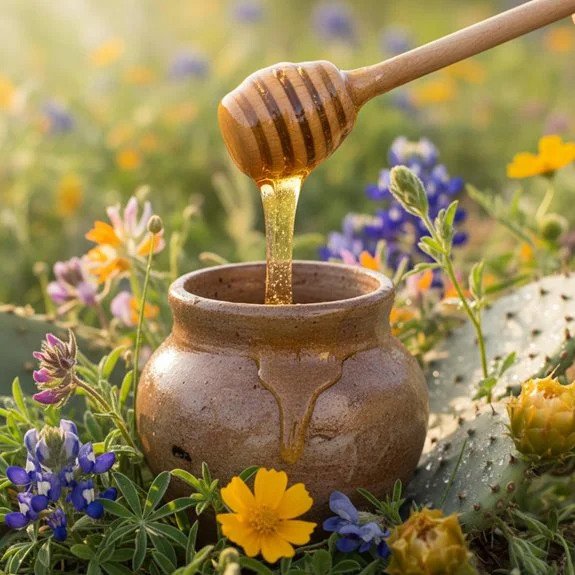
If you’ve started paying attention to the pollen in North Texas, you might wonder how **local honey** fits into the allergy puzzle. What makes North Texas honey truly **unique** is the **rich mix** of flower varieties that bees visit here. These flowers, from bluebonnets to wildflowers scattered across the region, give the honey its **distinct regional flavors**. When you taste North Texas honey, you’re not just savoring sweetness; you’re experiencing a little piece of the local landscape captured in every drop.
This blend of floral sources means the honey carries a **signature taste and aroma** you won’t find anywhere else. So, when you reach for North Texas honey, you’re choosing a product as free-spirited and diverse as the land itself. Isn’t it fascinating how a simple jar can hold the **essence of your own backyard**? That’s the magic behind North Texas honey’s uniqueness—nature’s variety, bottled just for you.
## The Science Behind Honey and Allergy Relief
Ever wonder how a spoonful of **local honey** might calm your sneezing fits? It’s all about exposing your **immune system** to small amounts of local pollen, which could help it build tolerance over time. Plus, honey’s natural anti-inflammatory powers might just give your allergies a little extra relief—sounds sweet, right?
### Local Pollen Exposure
While it might sound logical that eating local honey could help you build a tolerance to local pollen, the science doesn't actually back this up. Local honey contains trace amounts of pollen, but not always the specific pollen types that trigger your allergy symptoms. So, relying on honey alone might not give you the relief you hope for. Take a look at this quick comparison:
| Pollen Type | Presence in Honey | Common Allergy Symptoms |
|-------------------|-------------------|-------------------------------|
| Tree Pollen | Low | Sneezing, itchy eyes |
| Grass Pollen | Moderate | Runny nose, congestion |
| Weed Pollen | Variable | Coughing, wheezing |
| Mold Spores | Rare | Nasal congestion, fatigue |
| Ragweed Pollen | Low | Itchy throat, watery eyes |
Does local honey cover all these? Not really. So, keep exploring other allergy strategies!
### Immune System Response
You might wonder why honey doesn’t always ease **allergy symptoms**, especially when it seems like a natural remedy. Here’s the thing: your **immune system** is a bit picky. It reacts to allergens like **pollen** by triggering allergic reactions, which cause sneezing, itching, and more. Some believe eating **local honey** introduces tiny amounts of pollen that could train your immune system to tolerate these allergens better. But science hasn’t proven this works consistently. Your immune system might not recognize the pollen in honey the same way it does airborne pollen. So, while honey tastes sweet and feels like a freedom-friendly fix, it’s not a guaranteed shield against seasonal allergies. Still, trying it won’t hurt—just don’t expect it to be a **miracle cure** for your immune system.
### Honey’s Anti-Inflammatory Properties
Although honey isn’t a guaranteed **allergy cure**, it does have some interesting **anti-inflammatory properties** that might help ease your symptoms. Wondering how honey benefits your body during allergy season? Well, honey contains natural compounds that can **reduce inflammation**, which is a big part of what makes allergies so uncomfortable. When your body reacts to pollen, inflammation causes swelling and irritation, but honey’s **soothing nature** might calm that response. While it’s not a magic fix, many people turn to honey as one of several **allergy remedies** to find some relief. So, next time you’re battling sneezes and itchy eyes, why not try a spoonful of North Texas honey? It’s a sweet way to support your body’s fight against seasonal allergies!
## How to Choose the Right North Texas Honey
Since not all honey is created equal, picking the right North Texas honey can feel a bit like trying to find a needle in a haystack. You want honey varieties that match local pollen sources, boosting your chances of easing those seasonal sniffles naturally. But how do you know what’s best?
Check labels and ask local beekeepers about the pollen sources — wildflowers, mesquite, or clover — each offers unique benefits. Here’s a quick guide to help you choose:
| Honey Variety | Common Pollen Source | Allergy Benefit |
|---------------|---------------------|------------------------|
| Wildflower | Various local blooms| Broad pollen exposure |
| Mesquite | Mesquite trees | Specific regional relief|
| Clover | Clover plants | Gentle, mild effect |
## Best Ways to Incorporate North Texas Honey Into Your Diet
Looking to boost your **allergy defense**? Try adding a spoonful of North Texas honey to your daily routine—it’s an easy habit that might just make a difference. Wondering how to sneak it into your meals? Let’s explore some tasty ways to combine this **local sweetener** with your favorite dishes.
### Daily Honey Intake
When was the last time you thought about adding a spoonful of **North Texas honey** to your **daily routine**? Finding the right daily dosage isn’t just about habit; it’s about freedom from **pesky allergies**. Here’s how you can effortlessly include honey varieties into your day:
1. Start with a teaspoon each morning—simple and effective to build your tolerance.
2. Keep a small jar handy at work; a quick spoonful can boost your day and your defenses.
3. Before bed, enjoy a bit more honey to calm your throat and prep your body for restful sleep.
Doesn’t it feel good to take control in such a **natural way**? Remember, consistent use matters—so make honey your daily ally against **seasonal allergies**.
### Combining Honey With Meals
Even if you’re used to enjoying honey straight from the spoon, have you ever thought about mixing **North Texas honey** into your meals? It’s a simple way to add **natural sweetness** and reap the benefits of local pollen exposure. Think about honey pairings that enhance flavors without overpowering your dish—like drizzling honey over **roasted veggies** or stirring it into **salad dressings**. You can even swap sugar for honey in marinades or sauces for a subtle, floral twist. These meal enhancements not only elevate taste but also help you incorporate honey into your diet more freely. So, why stick to plain when you can blend honey’s magic into your everyday meals? It’s a tasty, effortless way to support your body during **allergy season**.
## Recommended Dosage and Timing for Allergy Relief
You might wonder how much honey you should take to actually ease your **allergy symptoms**, right? While there's no one-size-fits-all dosage, sticking to sensible **dosage guidelines** and **timing strategies** can help you enjoy honey’s **potential benefits** without guesswork. Here’s a simple plan to get you started:
> Wondering how much honey to ease allergies? Follow sensible dosage and timing for best results without guesswork.
1. Take 1 to 2 teaspoons of North Texas honey daily. This amount is gentle enough to fit into your routine without overwhelming your taste buds or your system.
2. Start consuming honey a few weeks before allergy season peaks. This timing strategy gives your body a chance to adjust and build up any helpful exposure.
3. Spread out your intake—maybe morning and evening—to keep those **pollen defenses** steady throughout the day.
Freedom means trying what feels right but staying mindful. So, experiment a bit, listen to your body, and let honey become your sweet sidekick in the fight against **seasonal allergies**.
## Potential Risks and When to Consult a Doctor
Although honey seems like a harmless natural remedy, it’s important to know there are **potential risks** you shouldn’t ignore. Have you ever wondered if all-natural means all-safe? Well, not always. Some people might experience potential side effects like digestive upset or, ironically, **allergic reactions** to the honey itself. If your allergy severity suddenly spikes or symptoms worsen, it’s a clear sign to pause and reconsider. Isn’t your well-being worth a little caution? Also, if you have **severe pollen allergies** or asthma, **consulting a doctor** before adding honey to your routine is smart. After all, no one wants a simple remedy to turn into a bigger problem. When in doubt, reach out to a **healthcare professional** who can guide you based on your unique situation. Freedom means knowing when to take charge—and sometimes, that means asking for help. So, enjoy your honey but keep an eye out for **red flags**!
## Frequently Asked Questions
### Can North Texas Honey Be Used for Children Under 2 Years Old?
You shouldn't give North Texas honey to children under 2 years old—honey safety is essential here. Imagine tiny allergy symptoms sneaking in, not from pollen but from something called **botulism spores**, which can be harmful to babies. While honey might seem like a natural fix, it’s better to wait until your child’s **immune system** is ready. So, hold off on that sweet treat and keep your little one safe and sound.
### Does North Texas Honey Interact With Common Allergy Medications?
You’ll be glad to know North Texas honey doesn’t usually cause any **honey medications allergy interactions**. It’s generally safe to enjoy alongside common allergy meds like **antihistamines**. But hey, have you double-checked with your doctor? Everyone’s different, and you want to avoid surprises. So, while your honey habit is unlikely to mess with medications, a quick chat with a **healthcare pro** keeps your freedom—and your health—on point.
### How Long Does It Take to See Allergy Relief From Honey?
You’ll usually notice **honey benefits** easing your **allergy symptoms** within a couple of weeks, but it’s not an instant magic wand. Think of honey as a gentle shield, gradually building your body’s tolerance to local pollen. Curious why it takes time? Your **immune system** needs to learn and adapt. So, stick with it, and enjoy the freedom from sneezes creeping up slowly—patience is your secret weapon here.
### Can North Texas Honey Help With Indoor Allergens?
Yes, North Texas honey can help with **indoor allergens**, especially indoor pollen. You might wonder, how? The honey benefits come from tiny amounts of **local pollen** that could train your immune system to handle allergens better. Think of it as a tasty, natural way to build resistance. While it’s not a magic cure, adding a spoonful to your routine could **ease symptoms** and give you more freedom to enjoy your space without sneezing fits.
### Is Raw Honey Better Than Pasteurized Honey for Allergies?
Think of raw honey as nature’s unfiltered diary, packed with **raw honey benefits** like pollen and enzymes that **pasteurized honey** loses through heat. You might wonder, does that really matter for allergies? Since honey processing differences mean pasteurization can strip these helpful bits away, raw honey often offers more relief. So, if you crave freedom from sneezes, choosing raw honey could be your sweet, **natural ally**. Why settle for less?
## Conclusion
Ready to tackle those pesky **seasonal allergies** with North Texas honey? It’s not just sweet—it’s like nature’s own allergy superhero, gently training your body to handle **local pollen**. Remember, picking the right honey and using it consistently is key. Don’t expect miracles overnight, but with patience, you might just **breathe easier** than you have all spring. Curious to give it a try? Just listen to your body and, if needed, check with your doctor before diving in.
Related Searches in Texas
- raw honey Bastrop County
- how honey works for allergies
- how does local honey help allergies texas
- where to buy raw honey Anderson County TX
- raw honey for ragweed allergies
- raw honey Bryan Texas
- raw honey from North Texas
- Texas honey producers near Anna
- local beekeepers Adkins
- Texas honey producers near Adkins
- North Texas local honey
- Cedar Creek raw honey
- best apiaries selling raw honey Gainesville TX
- East Texas honey producers
- buy authentic honey Parker County
- best honey for ragweed allergies
- raw honey Gainesville Texas
- buy raw honey direct Anna TX
- raw honey vendors at melissa farmers market
- raw honey sellers Adkins Texas
- how to source authentic local honey
- Texas honey producers near Baird
- buy raw honey in Brazoria County
- local beekeepers Anna
- Tarrant County beekeepers
- Aledo Apiary services
- local raw honey delivery Weatherford TX
- visit apiaries Tarrant County
- Anna TX beekeepers
- buy local honey Denton County
- authentic local honey farms near dallas tx
- north texas honey for spring allergies
- buy raw honey Arlington TX
- local honey producers Arlington
- Alvin TX beekeepers
- buy raw honey direct Baird TX
- Bartonville TX beekeepers
- real Texas honey Aledo
- where to buy raw honey in Aledo TX
- honey for cedar fever relief
- Cedar-Fever relief Texas honey
- oral immunotherapy honey
- trusted honey sellers parker county tx
- Maxwell Family Bees honey
- raw honey sellers Anna Texas
- raw honey producers Canton Texas
- best honey for ragweed allergy
- Warne Bee Farm Anna
- local honey online order dallas texas
- local Texas honey apiaries
- Heavenly Harvest Apiary reviews
Trending Searches in Texas
- honey producers Bandera
- melissa tx local honey festivals
- allergy relief cost comparison
- filtered vs raw honey pollen content
- buy local honey Baird
- support local Weatherford businesses
- north texas allergy pollen forecast
- honey for cedar fever efficacy
- north texas allergy calendar 2024
- local honey Cooke County
- local honey demand increase fort worth
- Texas allergy season remedies
- Dovetail Creek honey Bartonville
- raw honey allergy relief north texas
- farmers markets near melissa texas
- Texas Hill Country beekeeping
- East Texas wildflower honey
- fresh Texas honey producers
- local beekeepers Anna TX
- harvest honey late summer Arlington
- authentic Texas honey farms Canton
- authentic raw honey Texas
- buy fresh honey Anna TX
- farm to jar honey Texas
- Green Hands Farm honey
- Pete Glasser honey farm
- sustainable beekeeping trends in dallas area
- unprocessed honey Anna TX
- farm-to-table honey fort worth tx
- north texas wildflower honey seasonal harvesting
- best raw honey Aledo TX
- honey extraction Anna
- buy honey direct Arlington
Top Recommendations in Texas
- support local Anna businesses
- Arlington honey producers
- health benefits of raw honey from north texas
- local honey producers Bryan
- honey for baking East Texas
- Aledo Apiary location
- infant botulism honey warning
- sustainable beekeeping practices in north texas
- best raw honey in Anna
- how to identify real honey denton county
- incorporating honey into allergy diet
- buy Texas honey online
- homemade honey Bastrop
- best honey shops Bryan TX
- honey beekeepers Baird
- raw honey for immune system support
- neighborhood honey producers adkins
- north texas honey pollen preservation
- fresh raw honey Anna TX
- raw honey allergy relief north texas
- support local beekeepers Bryan
- Texas raw honey suppliers
- honey vs antihistamines
- farm to jar honey experience
- Parker County honey producers
- Anderson County seasonal allergies honey
- raw honey delivery Arlington
- natural allergy relief honey fort worth
- native plants honey flavor
- micro-dosing pollen for allergies
- fresh Texas honey online
- local apiary adkins tx
- fresh wildflower honey Aledo