How to Understand the Science Behind Local Raw Texas Honey and Your Allergies
Understand the science of oral immunotherapy and how local raw Texas honey can help desensitize your immune system to Cedar-Fever, oak, and grass pollen. Learn the critical difference between raw and processed honey for effective allergy relief.
May 14, 2025 •
9 min read
# How to Understand the Science Behind Local Raw Texas Honey and Your Allergies
Across Texas, where pollen counts can feel like a daily assault, many people are seeking natural alternatives to pharmaceuticals for their seasonal allergies. You’re not alone if you’re tired of battling the seasonal haze over Austin or the fine dust coating your Dallas windshield. For a growing number, the solution might be as simple as a jar of honey. But not just any honey — the buzzword here is **local raw honey**. Knowing what “local” and “raw” truly mean, and why processed honey falls short, is your first step toward finding relief.
This guide unpacks the immunological process behind oral immunotherapy — the theory that eating small amounts of pollen, via honey, trains your immune system to tolerate allergens. You'll also learn about Texas’s unique pollen environment and how to find authentic honey that aligns with your immune system’s specific needs.
## The Unique Pollen Landscape of Texas and Its Impact on Allergies
Texas doesn’t have a one-size-fits-all allergy season. Its vast geography offers a patchwork of allergens shaped by diverse climate zones. The infamous winter scourge, **Cedar Fever**, stems from mountain cedar (*Juniperus ashei*), which blankets Central and East Texas with thick clouds of pollen in January and February.
If you’ve ever seen the yellow haze roll through the Hill Country around Fredericksburg, you witnessed mountain cedar pollen at its peak – not wildfire smoke, but a dense allergen fog that settles like dust.
### Seasonal Shifts and Distinct Allergy Zones
Spring shifts the focus to oak pollen, which covers cars with a yellow-green dust from March through May, mainly across East and Central Texas. Summer brings on grass pollens, where Bermuda and Timothy grasses dominate southern and coastal areas. The ragweed season arrives in late summer through November, particularly affecting Texas’s Panhandle and northern regions.
This patchwork of pollen means you need **region-specific honey**. Generic honey from Florida or New Zealand won’t help because the pollen profile won’t match your local allergens. Your immune system responds to proteins unique to nearby plants—not distant ones. Bees forage within a few miles of their hive, so honey made far away simply won’t contain the right pollen to train your body.
## The Immunological Mechanism: How Oral Immunotherapy Works
> 🍯 **Looking for more?** Check out our guide on [raw honey near Houston](/blog/where-to-buy-raw-honey-in-houston-tx) for local options nearby.
Allergic reactions come down to a misfire between your immune system and pollen. When your body perceives pollen as a threat, it produces Immunoglobulin E (IgE) antibodies. These antibodies latch onto mast cells and basophils scattered in your tissues.
Next time the pollen appears, it cross-links with the IgE, triggering those cells to release histamine and other chemicals—hence sneezing fits, itchy eyes, and that familiar congestion.
### Honey as a Micro-Dose Training Tool
Eating small, controlled amounts of pollen through honey exposes your immune system to the allergen without triggering a full-blown reaction. This method, called **oral immunotherapy**, gradually teaches your body to tolerate the allergen. Your immune response eventually shifts from IgE-driven hyperreactivity to a calmer state.
Think of it like weightlifting for your immune system. The routine demands consistency; miss too many “workouts,” and your progress fades. Regularly eating the right raw local honey keeps building tolerance. Stopping or skipping during peak seasons can wipe out your progress, resetting your immune sensitivity to square one.
## The Critical Importance of "Local" Honey: The 50-Mile Radius Rule
The effectiveness of honey for allergies depends on proximity. Pollen grains don’t drift hundreds of miles; they fall close to their source. Bees usually forage within 3-5 miles but may roam up to 50 miles depending on nectar availability.
If you live in Central Texas and suffer from Cedar Fever, your honey needs to come from hives in the same area to contain the mountain cedar pollen your immune system reacts to. Houston honey won’t cut it, nor will any jar labeled “Texas” if its true origin lies hundreds of miles away.
### Beware Loosely Used Labels
“Local” is often more marketing than fact. Large commercial brands mix honeys from multiple locations or even countries, sometimes adding syrups to bulk up volume. The pollen profile in these blends won’t match your allergen exposure and thus offers no relief.
Look for honey verified to come from bees foraging within 50 miles of your home. You want transparency—ask your beekeeper where their hives are and what flowers the bees visit. Without that, the jar might as well be sugar water.
## Understanding "Raw" vs. Processed: What Gets Stripped Away
<div class="grid grid-cols-1 md:grid-cols-3 gap-8 not-prose my-8">
<div class="bg-white p-6 rounded-lg shadow-md hover:shadow-lg transition border border-gray-100">
<img src="/public/assets/uploads/69a20d68480c9.jpg" class="w-full aspect-square object-cover rounded mb-4" alt="1 lb Raw Unfiltered Honey">
<h3 class="text-xl font-bold mb-2 text-gray-900 leading-tight">1 lb Raw Unfiltered Honey</h3>
<p class="text-lg font-semibold text-blue-600 mb-2">$13.00</p>
<div class="text-gray-600 mb-4 text-sm line-clamp-3">
<p>Our raw, unfiltered wildflower honey retains all the natural pollen and enzymes, delivering a pure, complex taste of North Texas.</p> </div>
<a href="https://www.cchfbees.com/product-page/honey" class="inline-block text-blue-600 font-bold hover:underline">View Details →</a>
</div>
</div>
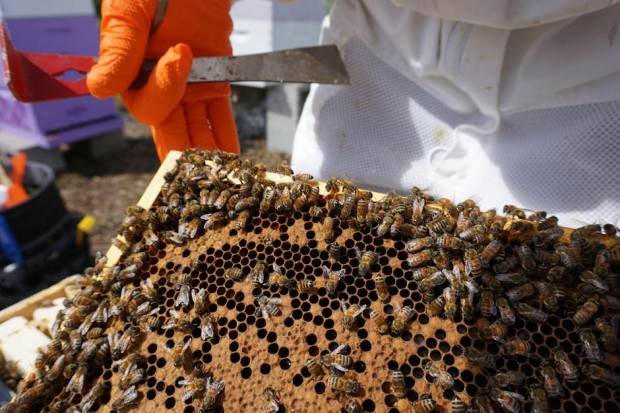
Processing kills the good stuff. Most commercial honey undergoes **ultra-filtration** and high heat, stripping away pollen grains and enzymes. Once those pollen particles—and the enzymes like glucose oxidase—are removed, the honey is just sweet syrup.
### Why Heat and Filtration Matter
Pasteurization heats honey enough to kill microbes and delay crystallization but also destroys the enzymes essential for immune modulation. Without enzymes and pollen, honey loses its therapeutic potential.
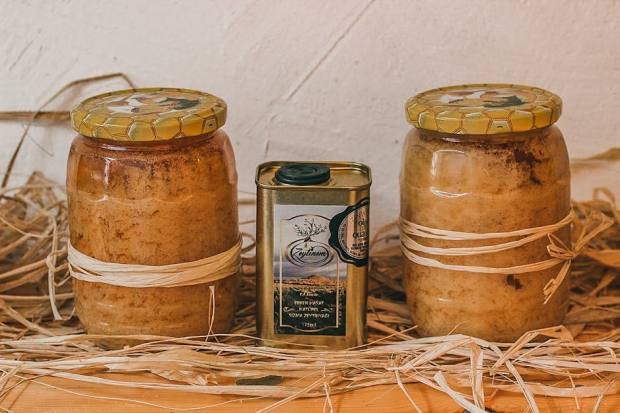
True raw honey is unheated or minimally heated, unfiltered or only lightly strained to remove debris but keep pollen intact. Comb honey or cut-comb honey are very reliable raw options, maintaining the honey’s natural structure.
Avoid jars vaguely labeled “Product of Mexico” or “Blend of World Honeys”—chances are, they’re ultra-filtered industrial blends with zero allergy relief potential.
## Identifying the Right Floral Source for Your Specific Allergy Triggers
Matching your allergies to the correct honey matters. Cedar Fever sufferers need honey from *Juniperus* species in the Texas Hill Country. If you’re allergic to grass or oak pollen, wildflower or grass-pollen dominant honeys could be more effective.
Start consuming your chosen honey a few months before the pollen season peaks. For Cedar Fever in January, begin in October or November to give your immune system a head start.
Ask beekeepers directly about the floral sources and hive locations. Don’t settle for vague answers. Provenance is everything for allergy relief. The right combination of source, timing, and consistency is crucial to success.
## The Role of Enzymes and Bioactive Compounds in Honey
Pollen is only part of the story. Raw honey contains enzymes and compounds that soothe inflammation and support immune function. For instance, **glucose oxidase** creates hydrogen peroxide, giving honey antibacterial properties. Although mainly tied to wound healing, these enzymes signal a biologically active product.
Flavonoids and phenolic acids in honey reduce inflammation, easing histamine-driven swelling and irritation in nasal passages independently of pollen exposure.
This dual action—immune desensitization plus anti-inflammatory support—makes raw honey a potent aid during allergy season. Processed honey, lacking both pollen and enzymes, offers only calories without benefits.
## Common Myths About Honey and Allergy Relief Debunked
There’s a long list of misconceptions about honey and allergies:
- **Any honey works:** False. Imported, filtered, or blended honeys won’t provide the right pollen for local allergies.
- **Honey cures allergies overnight:** No. Effective relief takes months of regular consumption.
- **Honey is safe for babies under one year:** Dangerous. Honey can carry *Clostridium botulinum* spores, which infants can’t handle.
- **Honey replaces prescription meds:** Honey is a complementary aid, not a substitute for prescribed treatments. Severe allergic reactions require medical attention.
Used wisely, honey supports your allergy management but isn’t a miracle drug.
## How to Source Authentic Local Raw Honey in Texas
Your best bet for real local raw honey is farmers markets, roadside stands, or buying direct from beekeepers. These venues offer transparency on hive locations and floral sources.
Look for signs of authenticity: sediment in the jar, natural crystallization, and clear information about where the honey comes from. Avoid bulk bins or jars with generic “Texas” labels that lack specifics.
Ask questions: “Is this raw and unfiltered?” “Where are your hives?” “Do you blend honey sources?” Honest beekeepers will answer confidently and may show you their bees.
Building a relationship with your local beekeeper ensures the honey you buy contains the pollen profile you need for allergy relief.
## Building a Consistent Honey Routine for Maximum Immunological Benefit
Daily consumption is key. Experts recommend 1 to 2 tablespoons per day—enough to provide trace pollen without overloading on sugar.
Start eating honey 2-3 months before the allergy season begins. For a January cedar season, October start dates work best.
Integrate honey into tea, yogurt, or just take it by the spoonful. Consistency beats quantity. Miss too many days, and your immune system forgets the lessons you’ve taught it.
Think of honey as a vital part of your allergy defense toolkit, not a seasonal treat.
## FAQ
### Does local honey actually work for Cedar-Fever in Texas?
Yes. Local honey contains the specific mountain cedar pollen that triggers symptoms, helping your immune system build tolerance. Import or filtered honeys lack this specific pollen, so they won’t help.
### How long does it take to see results from eating local honey?
Typically, 2-3 months of daily use are needed. Mild relief might happen sooner, but true immune retraining takes patience and commitment.
### Can I mix local honey with other allergy treatments like antihistamines?
Yes. Honey complements medications but doesn’t replace them. Always check with your doctor before changing your allergy regimen.
## Conclusion
The science is clear: **local raw honey from within 50 miles of your home offers a genuine natural option for managing Texas allergies**. It works by gently training your immune system to tolerate local pollen, especially if consumed consistently and started early.
Don’t expect an instant cure. Think of honey as part of a balanced allergy strategy—alongside air purifiers, nasal rinses, and medical advice. By understanding Texas’s unique pollen patterns, the biology of oral immunotherapy, and how to source true raw honey, you can finally take charge of your symptoms.
Whether you battle Cedar Fever in the Hill Country or ragweed in the Panhandle, the right honey might just be your best seasonal ally. Find your local beekeeper, start early, and be consistent. Your nose will thank you.
Related Searches in Texas
- where to buy local honey in Alvin TX
- local honey for Texas allergies
- Cedar-Fever relief Texas honey
- best farmers markets honey dallas tx
- raw honey sellers Baird Texas
- raw honey from North Texas
- what makes melissa farmers market honey special
- buy local honey Collin County
- local raw Texas honey for allergies
- best farmers markets for honey in melissa tx
- how to choose local honey for allergies
- buy raw honey direct Baird TX
- difference between raw and processed honey
- where to buy Texas honey
- raw honey sellers Adkins Texas
- north texas raw honey buyer guide
- natural allergy relief Texas
- Cedar Creek raw honey
- Texas honey farm tours near me
- commercial vs raw honey for pollen
- where to buy raw honey in Aledo TX
- Texas wildflower honey near me
- where to buy raw honey in Alamo Heights TX
- Texas cedar fever honey remedy
- local Texas honey apiaries
- Tarrant County beekeepers
- Anna TX beekeepers
- local honey benefits for allergies mckinney tx
- Anderson County Texas raw honey
- local raw honey delivery Weatherford TX
- Juniperus ashei pollen desensitization
- buy raw honey near dallas fort worth tx
- crooked creek honey farm anna tx
- raw honey Fort Worth Texas
- who sells raw honey Anna TX
- East Texas honey producers
- local beekeepers Bastrop Texas
- best honey for ragweed allergy
- how to use honey for pollen allergies
- North Texas local honey
- honey farms near Anna Texas
- where to buy local honey
- authentic honey vendors waco tx
- local beekeepers Anna
- Warne Bee Farm Anna
- McDade Texas honey farm
- visit apiaries Tarrant County
- Bandera County beekeepers
- honey farm Anna TX
- Bartonville TX beekeepers
- Texas honey allergy relief
Trending Searches in Texas
- support local Weatherford businesses
- raw honey immunotherapy benefits
- Crooked Creek Honey Farm Anna
- 1201 Honey Cooke County
- Maxwell Family Bees Anderson County
- genuine local honey Texas
- small batch honey Gainesville
- local honey trends in collinsville texas
- sustainable beekeeping in north texas
- support local beekeepers Bartonville
- north texas honey allergy relief benefits
- Buy Texas Honey directory
- raw unfiltered honey East Texas
- North Texas raw honey
- authentic Anna Texas honey suppliers
- artisan honey Central Texas
- best raw honey Aledo TX
- honey for allergies Bryan TX
- Heavenly Harvest Apiary Palestine
- north texas allergy pollen forecast
- north texas allergy calendar 2024
- Green Hands Farm honey
- Pete Glasser honey farm
- Weatherford local bee farms
- Pure Texas Honey Co
- seasonal pollen allergy patterns texas
- Texas wildflower honey
- north texas spring allergy conditions
- best raw honey for allergies Texas
- honey producers Bandera
- harvest honey late summer Arlington
- unfiltered honey McKinney Texas
- honey extraction Anna
Top Recommendations in Texas
- north texas honey storage and freshness tips
- honey producers North Texas
- genuine Texas honey shops
- best place to buy honey Alvin
- north texas monofloral honey uses
- best raw honey in Anna
- Anderson County seasonal allergies honey
- buy Texas honey online
- benefits of raw honey dallas area
- family run apiary Gainesville
- online honey ordering in denton texas
- native plants honey flavor
- North Texas wildflower honey
- homemade honey Bastrop
- best local honey family apiaries Texas
- farm to jar honey experience
- local beekeepers in Anna Texas
- honey comb Alamo Heights
- safety of honey for adults
- natural honey allergy relief Texas
- honey beekeepers Baird
- support local beekeepers Texas
- Texas Hill Country honey for allergies
- raw honey allergy relief north texas
- allergies local honey
- benefits of raw honey for allergies texas
- advantages of local honey farm tours fort worth
- Aledo Apiary location
- hybrid allergy management strategy
- honey crystallization benefits melissa tx
- unfiltered honey Palestine
- raw honey delivery Arlington
- Texas Hill Country honey sourcing