A Beginner’s Guide to Buying Authentic North Texas Honey
Unlock the secrets to selecting genuine North Texas honey rich in local flavors and health benefits—you won’t want to miss what makes it truly unique.
October 27, 2025 •
19 min read
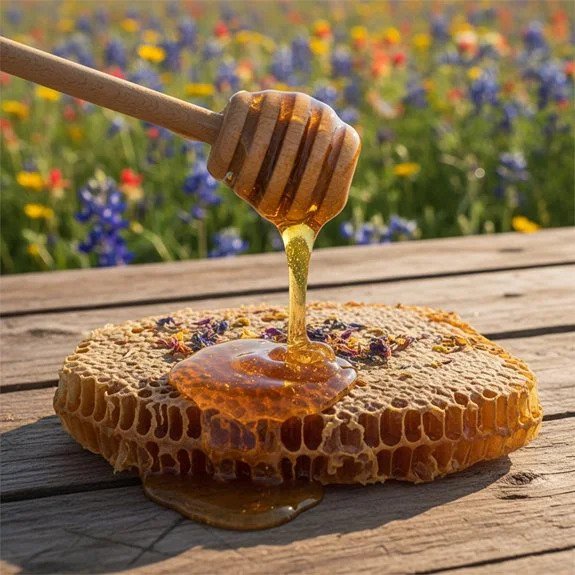
Looking to buy authentic North Texas honey? Start by choosing **raw, unfiltered varieties** that showcase local wildflowers like bluebonnets or Indian Paintbrush—each jar carries a unique story and flavor. Watch for **cloudy texture** and crystallization; they’re signs it hasn’t been over-processed. Avoid overly smooth, syrupy options that could be fake. Want honey that's not just sweet but also supports **sustainable beekeeping** and wellness? Keep exploring to discover the rich variety and benefits waiting in your next jar.
## Key Takeaways
- Look for raw, unfiltered North Texas honey with clear labels indicating local wildflower sources like bluebonnets and Indian Paintbrush.
- Choose honey in glass jars to better preserve authentic flavors and avoid heavily processed or pasteurized products.
- Expect natural cloudiness or crystallization as signs of pure, minimally processed honey from local North Texas bees.
- Taste for unique floral notes and rich aroma reflecting North Texas seasonal nectar variations, from spring wildflowers to fall goldenrod.
- Support sustainable beekeepers in North Texas to ensure healthy bee populations and authentic, high-quality honey.
## Understanding What Makes Honey Authentic
Although it might seem simple to spot real honey, understanding what makes honey authentic can be trickier than you think. You might wonder, what exactly sets genuine honey apart? It’s not just about sweetness; it’s about the honey flavor and **honey origins**. **Authentic honey** carries a **unique taste** that reflects where it comes from, like a signature from nature itself. When you dig deeper, you realize that true honey isn’t **watered down** or mixed with cheap syrups, which can dull its flavor and rob it of its natural goodness. So, when you’re shopping, ask yourself: does this honey tell a story of its origins? Does it have that rich, **complex taste** that’s hard to fake? Remember, authenticity isn’t just a label—it’s **freedom in a jar**, a pure connection to the land and the hardworking bees behind it. Wouldn’t you want that real deal?
## The Unique Floral Sources of North Texas Honey
Have you ever wondered what makes **North Texas honey** taste so special? It’s all thanks to the **distinctive wildflowers** buzzing with nectar throughout the seasons. Let’s explore how these local blooms shape the unique flavors you’ll find in every jar.
### Distinctive Local Wildflowers
When you think about the flavors that make North Texas honey stand out, you might wonder what gives it such a **unique taste**. It’s all about the distinctive local wildflowers and their **wildflower synergy**. These blooms create a rich palette that bees tap into, shaping the honey’s character through **regional biodiversity**. Curious which wildflowers play a starring role? Here are three to know:
1. Bluebonnets – Texas' state flower, adding a subtle, sweet hint.
2. Indian Paintbrush – brings a slightly spicy edge to the mix.
3. Black-eyed Susans – offer **floral depth** with a touch of earthiness.
Each flower contributes its essence, combining freely to produce honey that captures North Texas’ wild spirit. So, next time you savor that jar, remember—it's **nature’s collaboration** at its finest.
### Seasonal Nectar Variations
Since North Texas experiences distinct seasons, the **nectar sources** for honey shift in fascinating ways throughout the year. Ever wonder what makes local honey taste so unique? It’s all about the **seasonal blooms** that come and go, offering different nectar sources for the bees to collect. In spring, you'll find **wildflowers bursting** with nectar, while summer brings a variety of shrubs and trees into the mix. Come fall, goldenrod and aster provide a final sweet push before winter’s chill. Each season’s nectar sources influence the **honey’s flavor**, color, and texture, making every jar a little **adventure in a bottle**. So, when you buy North Texas honey, you’re tasting the freedom of the seasons themselves—ever-changing, always authentic, and utterly local. Ready to savor that?
## How to Identify Raw and Unprocessed Honey
Spotting raw and unprocessed honey might seem tricky at first, but you can actually learn to recognize it with a bit of practice. When you're out honey tasting or watching honey harvesting, keep an eye out for these signs:
1. **Cloudy Texture**: Unlike the perfectly clear jars you see on supermarket shelves, **raw honey** often looks a bit cloudy or grainy. That’s because it still contains tiny bits of pollen and natural enzymes.
2. **Crystallization**: Raw honey tends to crystallize over time. If your honey turns solid or grainy, that’s a good sign it hasn’t been overly processed or heated.
3. **Rich Aroma and Flavor**: The smell and taste are more complex and vibrant. When you taste it, you’ll notice unique floral or herbal notes, reflecting the local flowers bees visited during honey harvesting.
## Health Benefits of Local North Texas Honey
Ever wonder if that local honey could do more than just taste sweet? You might be surprised to learn it can help boost your **immune system** and even ease **seasonal allergies**. So, why not explore how a spoonful from North Texas hives could give your health a little natural lift?
### Immune System Support
You might have heard people claim that North Texas honey can boost your **immune system**, but is it really true? The honest answer is no—there’s no strong **scientific proof** that **local honey** offers immune boosting powers. While honey has **health benefits** like soothing sore throats and providing antioxidants, don’t expect it to supercharge your body’s defenses. If you’re curious why the hype exists, consider these points:
1. Honey’s natural antioxidants help protect cells but don’t directly enhance immunity.
2. Some think local honey exposes you to pollen, training your immune system—but this isn’t backed by solid research.
3. Eating honey can be part of a **healthy diet**, but it’s not a magic immune booster.
### Natural Allergy Relief
Although many folks swear by local North Texas honey as a natural remedy for easing allergies, the truth might surprise you. Scientific evidence doesn’t back up honey or bee pollen as effective allergy treatments. So, should you rely on these natural remedies? Not really. However, honey does offer other perks, like soothing a sore throat or adding sweetness without processed sugars.
| Claim | Reality | What You Can Do |
|----------------------|---------------------------|----------------------------|
| Honey cures allergies| No scientific proof | Consult a doctor first |
| Bee pollen helps | Limited evidence | Use with caution |
| Natural remedy = safe| Risks exist for some | Know your allergies well |
## Common Varieties of Honey Found in North Texas
Since **North Texas** boasts diverse flora, its **honey varieties** can surprise you with their **unique flavors** and colors. When you immerse yourself in honey tasting here, you’ll notice how wildflower varieties create complex and rich profiles that reflect the local landscape’s freedom and spirit. Wondering what types you might encounter? Here are three common ones:
1. **Wildflower Honey** – This is a mix of nectar from various wild plants, offering a sweet, floral taste that changes with the seasons. It’s like nature’s own sampler pack.
2. **Mesquite Honey** – Dark and robust, with a smoky touch, it’s perfect if you like a bold, earthy flavor.
3. **Clover Honey** – Light and mild, it’s a classic favorite, smooth and easy to enjoy.
Each type tells a story of North Texas’s natural bounty. So, which one will you try first? Your taste buds are in for a treat!
## Where to Find Local Beekeepers and Honey Producers
Where can you uncover the sweetest gems of **North Texas honey**? The answer lies right in your backyard—among **local farmers** and **honey festivals**. These gatherings aren’t just about **tasting delicious honey**; they connect you with the people who nurture the bees and harvest their golden treasure. Imagine chatting with a beekeeper who knows each hive like a close friend, sharing stories about their craft. You’ll find that buying directly **supports their freedom** to keep traditions alive and maintain **high-quality honey** without corporate interference. Farmers’ markets are another goldmine for discovering authentic honey, where local farmers proudly offer their freshest batches. Attending honey festivals gives you a chance to sample multiple varieties, ask questions, and even get tips on how to enjoy honey to its fullest. So next time you crave that **pure, local sweetness**, skip the supermarket aisle and seek out these vibrant community spots instead—you’ll taste the freedom in every drop.
## How to Read Honey Labels for Quality Indicators
When you pick up a jar of honey, do you ever stop to wonder what those little words and numbers on the label really mean? Understanding honey labels can free you from confusion and help you choose quality North Texas honey. Here’s how to decode them:
1. **Check the **honey processing methods****: Look for terms like “raw” or “unfiltered.” **Raw** honey means it hasn’t been heated or overly processed, keeping natural enzymes and flavors intact. Avoid labels that mention **heavy heating or pasteurization**, as these can reduce quality.
2. **Look at **honey packaging types****: **Glass jars** often preserve honey’s taste better than plastic, which can sometimes affect flavor or quality.
3. **Note any **certifications or origin info****: Authentic North Texas honey will often highlight its local roots or certifications, giving you confidence in what you’re buying.
Next time, you’ll read that label like a pro and pick honey that tastes as free and natural as you want to feel!
## The Importance of Supporting Sustainable Beekeeping
You’ve learned how to spot quality North Texas honey by reading labels, but have you ever thought about where that honey actually comes from? Supporting sustainable practices means you're backing beekeepers who care deeply about local ecosystems. These folks don’t just gather honey; they nurture the environment and protect the bees that keep it thriving.
Why does it matter? Because bees play a huge role in pollinating plants, which keeps your freedom to enjoy fresh food alive and well. Here’s a quick look:
| Benefit | Impact on Bees | Effect on You |
|-------------------|-----------------------|-------------------------|
| Sustainable Practices | Healthy bee colonies | Pure, authentic honey |
| Local Ecosystems | Balanced biodiversity | Better crops and gardens |
| Responsible Harvest | Less stress on bees | Consistent honey supply |
When you choose honey from sustainable beekeepers, you're not just buying a sweet treat—you’re supporting freedom for nature to flourish. Pretty sweet deal, right?
## Seasonal Variations in North Texas Honey Flavors
Even though honey always tastes sweet, its flavor can change quite a bit depending on the season. When you explore North Texas honey, you’re really tasting the story of seasonal harvesting and the unique flavor profiles that come with it. Curious how that works? Well, here’s a quick rundown:
> Honey’s sweetness dances with the seasons, revealing unique flavors from North Texas’ blooming landscapes.
1. **Spring Honey:** Bees feast on blooming wildflowers, giving you a light, **floral, and fresh taste**. It’s like a gentle breeze in a jar.
2. **Summer Honey:** The heat brings out stronger, richer flavors from clover and mesquite blossoms, making the honey more robust and bold.
3. **Fall Honey:** As plants prepare for winter, the honey develops **deeper, earthy tones** with hints of spice—perfect for cozying up with.
## Tips for Tasting and Evaluating Honey
How do you truly savor the **unique flavors** of North Texas honey? Start with **honey tasting** by using your senses—look at its color, smell its aroma, and then taste a small spoonful. Let it **coat your tongue** before swallowing. This simple ritual reveals the nuances in every drop. For flavor evaluation, ask yourself: Is it **floral, fruity, or earthy**? Does it linger or fade quickly? Each variety reveals a story about the blossoms and seasons behind it. Don’t rush—freedom in tasting means you decide what delights your palate. Try different batches side by side to notice **subtle differences**. Remember, honey’s complexity can surprise you, so trust your instincts. Embrace this hands-on approach, and you’ll appreciate authentic North Texas honey beyond sweetness—it’s a taste of **nature’s artistry**, waiting for you to explore. Ready to taste the freedom?
## Storing Your Honey to Preserve Freshness
Although honey seems like it can last forever, **proper storage** plays a big role in keeping its **fresh flavor** and smooth texture. You want your North Texas honey to taste just as vibrant months from now, right? So, how do you extend that honey shelf life without hassle? Here are three simple tips:
> Keep your North Texas honey fresh and flavorful for months with simple, effective storage tips.
1. Choose **airtight honey storage containers** made of glass or food-grade plastic. They keep air and moisture out, which preserves freshness.
2. Store your honey in a **cool, dark place**—think pantry or cupboard—not near heat sources or sunlight. Heat speeds up crystallization and flavor loss.
3. **Avoid refrigeration**. It’s tempting to chill honey, but cold temperatures actually make it crystallize faster, turning your liquid gold grainy.
## Using North Texas Honey in Cooking and Baking
Ever thought about how **North Texas honey** can transform your favorite recipes? Its **unique flavor profiles** add a natural sweetness that’s hard to beat, making it a perfect partner for everything from baked goods to savory dishes. Ready to see which ingredients pair best with this golden delight?
### Flavor Profiles in Recipes
When you start experimenting with North Texas honey in your recipes, you’ll quickly notice it brings a **unique twist** to both sweet and savory dishes. Its flavor nuances can add **complexity**, encouraging you to rethink your usual recipe adaptations. Wondering how to make the most of it? Try these:
1. Swap regular sugar for honey in marinades to add a subtle **floral sweetness** that balances spices perfectly.
2. Drizzle honey over roasted veggies or cheeses—its rich texture and taste **elevate simple meals**.
3. Incorporate honey into baked goods for moisture and a depth of flavor that sugars just can’t match.
Ready to break free from boring flavors? North Texas honey invites you to **explore and personalize** your cooking, making every bite a little adventure. Why settle for ordinary when you can taste extraordinary?
### Honey as Natural Sweetener
Using North Texas honey as a **natural sweetener** can change the way you think about adding sweetness to your dishes. Have you ever considered swapping out sugar for honey in your honey recipes? North Texas honey brings a **unique honey flavor** that’s rich and vibrant, unlike anything you’ll find in a generic bottle. When you use it in cooking or baking, it doesn’t just sweeten—it **adds depth and character**. Imagine drizzling it over pancakes or stirring it into marinades; suddenly, your meals feel freer, more creative. Why stick to ordinary when you can explore natural sweetness that **supports local beekeepers**? Plus, using honey keeps things simple and wholesome. Ready to give your recipes a **natural upgrade**? North Texas honey might just be your new secret weapon.
### Pairing Honey With Ingredients
Although honey might seem like just a simple sweetener, pairing **North Texas honey** with the right ingredients can transform your cooking and baking into something truly special. Wondering how to master honey pairings that elevate your dishes? Here are three **ingredient combinations** to try:
1. **Spices & Herbs**: Add cinnamon or rosemary to deepen flavor without overpowering the honey’s natural notes.
2. **Citrus Fruits**: Lemon or orange zest brightens honey’s sweetness, perfect for dressings or glazes.
3. **Cheeses**: Goat cheese or sharp cheddar contrast honey’s mellow taste, creating a delicious balance.
These ingredient combinations let you enjoy honey’s versatility while embracing freedom in your kitchen. Ready to experiment with North Texas honey? Your taste buds will thank you!
## Natural Remedies and Wellness Uses for Honey
Even if you haven't thought much about honey beyond its sweet taste, you'd be surprised how many **natural remedies** it offers. Imagine adding honey infusions to your daily **wellness rituals**—not just for flavor but to **soothe a sore throat** or boost your energy. Honey’s natural antioxidants and **antibacterial properties** make it a simple, effective ally in your quest for health freedom. Why rely on complicated solutions when a spoonful of authentic North Texas honey can **ease coughs** or help **heal minor cuts**? Plus, incorporating honey into your routine feels like a small, sweet rebellion against synthetic products. You get to control what goes in your body, embracing nature’s gifts without fuss. So next time you reach for something to enhance your wellness rituals, think about honey. It’s more than just a treat—it’s a natural remedy that fits perfectly with your lifestyle, offering freedom and a touch of sweetness in every drop.
## Potential Allergies and Safety Considerations
While honey offers plenty of sweet benefits, it’s worth remembering that not everyone’s body reacts the same way to it. If you’re diving into the world of authentic North Texas honey, here’s what you should keep in mind about **pollen allergies** and **honey safety**:
> Honey’s sweetness varies by body—consider allergies and safety when enjoying authentic North Texas honey.
1. **Pollen Allergies:** Honey naturally contains pollen, which can trigger allergies in sensitive folks. If you know you’re allergic to certain pollens, it’s wise to test a small amount first or consult your doctor before indulging.
2. **Infants and Honey:** Never give honey to babies under one year old. Their digestive systems aren’t ready, and honey could contain bacteria harmful to them.
3. **Storage and Quality:** **Properly stored honey** resists spoilage, but if it smells off or looks strange, don’t risk it. Your health comes first, after all.
## How to Spot and Avoid Fake or Adulterated Honey
Ever wonder if that honey you’re buying is the real deal or just a sweet trick? Knowing how to spot **pure honey** and recognize **common adulterants** like corn syrup can save you from disappointment—and a sticky situation. Let’s break down what to look for so you don’t get fooled by fake honey dressed up in a jar.
### Identifying Pure Honey
How can you tell if the honey you’re buying is truly pure or just a clever imitation? It’s all about knowing what to look for and trusting your instincts. **Pure honey** shines with **natural flavor**, untouched by artificial honey flavoring or shortcuts in honey harvesting. Here’s how you can spot the real deal:
1. Check the label for clear honey **harvesting details**—pure honey usually mentions where and how it’s gathered.
2. Taste it: pure honey has a **complex, rich flavor** that’s hard to fake.
3. Look for crystallization over time; pure honey often crystallizes, unlike fake stuff that stays liquid forever.
Trust your freedom to choose quality—don’t settle for anything less than **authentic North Texas honey**. It’s worth it!
### Common Honey Adulterants
Since honey has become a popular **natural sweetener**, some sellers try to cut corners by mixing it with cheaper substances, tricking buyers like you into thinking they’re getting the real thing. One common adulterant is **sugar syrup**, which dilutes honey’s natural goodness and flavor. But how can you protect yourself? Simple **honey purity tests** can help. For example, pure honey doesn’t dissolve quickly in water, while sugar syrup does. You might also notice a **strange, overly sweet taste** or an unusually thin texture. Asking your seller about their honey’s source and testing methods can save you from disappointment. After all, you deserve honey that’s as **genuine as your freedom** to choose—no shortcuts, just pure North Texas sweetness. So, stay curious and trust your taste buds!
## Frequently Asked Questions
### What Equipment Do Beekeepers Use to Harvest Honey?
You’ll need some essential beekeeping tools to harvest honey, like a **bee suit** for protection and a **smoker** to calm the bees—yes, smoke actually helps! Then, for **honey extraction**, an uncapping knife or fork removes wax caps, and an extractor spins frames to free the honey. Ever wonder how freedom tastes? It’s sweet, just like fresh honey you’ve harvested yourself, using the right gear and a bit of patience.
### How Long Does It Take for Bees to Produce a Jar of Honey?
It usually takes about six to eight weeks for bees to produce a jar of honey, but that **honey production timeline** can stretch or shrink depending on your bee colony’s health. Ever wonder what keeps those busy bees buzzing? Strong, **healthy colonies** gather nectar efficiently, speeding things up. So, if you’re craving that sweet freedom in a jar, remember—patience and good bee care make all the difference. Ready to wait for nature’s **sweet reward**?
### Can Honey Be Used as an Ingredient in Homemade Skincare Products?
Absolutely, you can use honey in **homemade skincare recipes**! Honey benefits your skin by **moisturizing, soothing irritation**, and fighting bacteria naturally. Ever tried mixing honey with yogurt or oatmeal for a **simple face mask**? It’s like giving your skin a sweet treat without any harsh chemicals. Plus, crafting your own products lets you control what goes on your skin—freedom that feels pretty sweet, right? Why settle for less when you can DIY?
### What Are the Best Plants to Grow to Support Local Bees?
Imagine planting a **freedom flag for bees**—native flowering plants like bluebonnets, black-eyed Susans, and milkweed wave proudly in your **bee friendly garden**. These beauties don’t just look good; they fuel local bees, helping them thrive. Why settle for anything less when your garden can be a buzzing sanctuary? By choosing **native flowering species**, you support nature’s rhythm and keep your outdoor space lively, vibrant, and free for pollinators to roam.
### How Do Weather Changes Affect Honey Production in North Texas?
Weather changes can really shake up **honey production** in North Texas. When temperatures swing wildly, it messes with **hive temperature**, stressing the bees. Less pollen availability means less food for them, and they can't make as much honey. Ever wonder why some years feel sweeter? It’s nature’s way of reminding you that freedom for bees hinges on **stable weather**, plenty of blooms, and cozy hives. Bees work best when life’s a bit more predictable, don’t they?
## Conclusion
So, ready to plunge into the sweet world of **North Texas honey**? Think of picking authentic honey like finding a rare gem—each jar holds **unique flavors** from local flowers and natural goodness. By knowing what to look for, you’ll avoid fakes and enjoy all the **health perks** real honey offers. Isn’t it worth a little extra buzz to savor something truly pure and delicious? Go ahead, treat yourself to nature’s golden treasure!
Related Searches in TX
- local honey Bandera Texas
- local beekeepers Adkins
- North Texas local honey
- north texas raw honey buyer guide
- where to buy local honey in Bryan TX
- local honey benefits in denton tx
- local raw honey delivery Fort Worth TX
- honey for cedar fever relief
- best farmers markets honey dallas tx
- honey farm Arlington TX
- raw honey Weatherford Texas
- honey farm Anna TX
- unfiltered honey vs supermarket honey in anna tx
- raw honey producers Canton Texas
- Aledo Apiary services
- Anna TX beekeepers
- Warne Bee Farm Anna
- Fort Worth TX beekeepers
- visit apiaries Tarrant County
- where to buy raw honey in Bartonville TX
- oral immunotherapy with honey
- unfiltered honey Arlington
- local raw honey delivery Alvin TX
- farmers markets with honey fort worth texas
- where to buy local honey in Alvin TX
- raw honey Alamo Heights Texas
- raw honey Fort Worth Texas
- visit apiaries Collin County
- natural allergy relief Texas
- crooked creek honey farm anna tx
- where to buy raw honey in Alamo Heights TX
- buy local honey Palestine
- local raw honey delivery Anna TX
- best farmers markets for honey in melissa tx
- who sells raw honey Anna TX
- local honey Anderson County TX
- buy raw honey in Brazoria County
- Hatch Honey Company Gainesville
- Cedar Creek raw honey
- oral immunotherapy honey benefits
- buy raw honey in Bandera
- Edelweiss Apiary honey
- raw honey Bartonville Texas
- Texas cedar pollen allergy
- where to buy raw honey in Fort Worth TX
- buy Texas honey directory
- McDade Texas honey farm
- where to buy raw honey in Weatherford TX
- honey farms near Anna Texas
- best honey for ragweed allergy
- buy honey from farm Arlington
Trending Searches in TX
- Pure Texas Honey Co
- Anderson County farmers market honey
- fresh honey from Alvin beekeepers
- north texas allergy pollen forecast
- honey for allergies Arlington
- buy local honey Palestine TX
- Heavenly Harvest Apiary Palestine
- Cross Timbers Honey contact
- unfiltered honey North Texas
- south texas honey sellers
- support local beekeepers
- sustainable beekeeping Bryan
- honey desensitization method guide
- farm to jar honey Texas
- allergy season pollen forecast north texas
- harvest honey late summer Arlington
- authentic raw honey Texas
- local honey trends anna texas
- raw honey allergy relief north texas
- South Texas honey producers
- sustainable beekeeping in north texas
- local honey demand increase fort worth
- authentic Anna Texas honey suppliers
- honey for cedar fever efficacy
- unfiltered honey Bastrop
- local honey for allergies Alvin
- unprocessed honey Anna TX
- texas allergy season 2024
- raw unfiltered honey East Texas
- seasonal pollen allergy patterns texas
- raw honey immunotherapy benefits
- fresh Texas honey producers
- Weatherford local bee farms
Top Recommendations in TX
- how to identify real honey denton county
- north texas apiary liability insurance
- benefits of raw honey dallas area
- Warrior Bee Apiary contact
- wildflower honey flavors Bartonville
- local honey producers Bryan
- advantages of local honey farm tours fort worth
- safety of honey for adults
- micro-dosing pollen for allergies
- Anderson County pine forest honey
- Anderson County seasonal allergies honey
- buy direct honey Texas
- neighborhood honey producers adkins
- antimicrobial properties of wildflower honey texas
- support local Anna businesses
- honey tasting Anna TX
- anti-inflammatory honey benefits texas
- homemade honey Bastrop
- buy Texas honey online
- fresh Texas honey online
- Hill Country honey for allergies
- honey for baking East Texas
- fresh honey delivery Alamo Heights
- start honey routine for allergies
- fresh honey delivery Fort Worth
- raw honey delivery Arlington
- buy local honey Texas
- native plants honey flavor
- local beekeepers in Anna Texas
- Master Beekeeper Texas A&M
- fresh raw honey delivery
- Arlington honey producers
- honey producers Bastrop County